
How Housing Authorities Work: An Applicant's Guide
What a housing authority actually does, how waitlists move, and what happens after your name comes up.
California housing and costs: prices, rents, zoning fights and the insurance squeeze, explained plainly.
What a housing authority actually does, how waitlists move, and what happens after your name comes up.

State laws can rewrite zoning on paper. Whether a second home actually gets built depends on what happens at the counter in your city hall.

A neutral third party holds the money and the deed until every contract term is met. Here is what happens inside those 30 to 60 days.
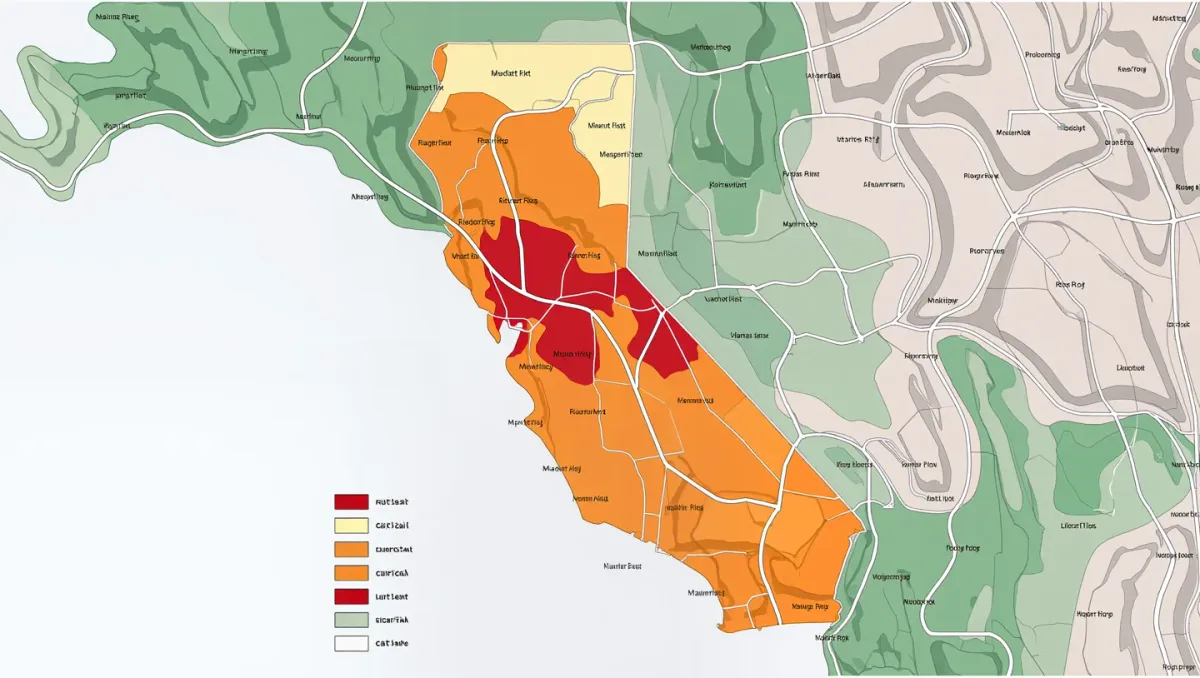
Cal Fire's hazard zones, catastrophe modeling and probable-maximum-loss scores now decide who can buy coverage — and at what premium.

The state's rental market runs half-empty relative to the nation's — and every reading of rents, concessions and stability follows from it.