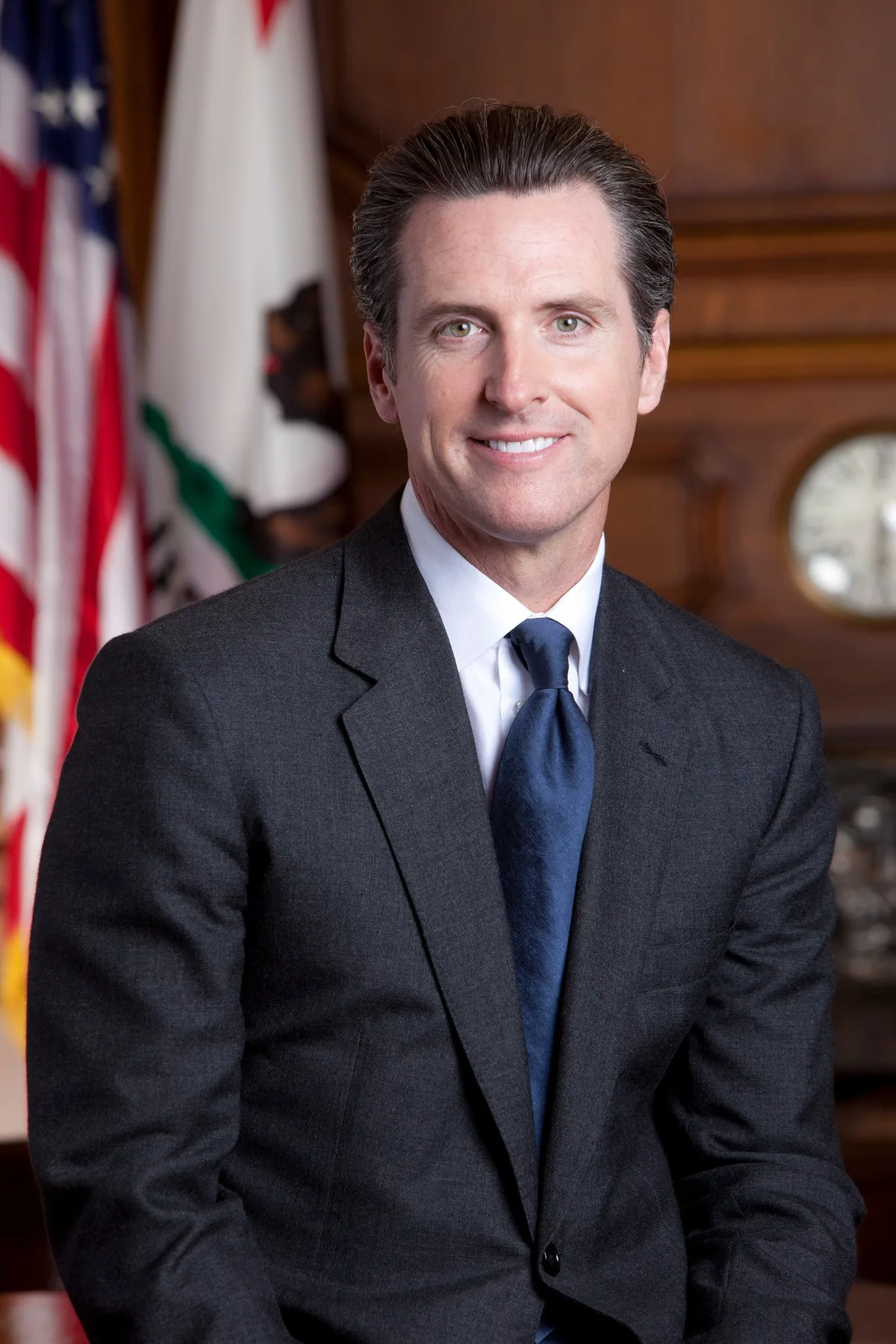
How to Track California Governor Vetoes and Override Attempts
Every year the governor rejects roughly one bill in seven or more. The Legislature almost never fights back.
Politics follows Sacramento and the statehouse: legislation, ballot measures and agency decisions, traced to their local effect.
Sacramento statehouse, statewide ballot measures, governor/administration, CA delegation

Every year the governor rejects roughly one bill in seven or more. The Legislature almost never fights back.

A gubernatorial recall needs signatures from 12 percent of the last election's voters within 160 days, and California has held just one successful statewide recall, in 2003.

The statewide floor climbed from $16.50 to $16.90 on January 1, 2026 under an automatic inflation formula, while fast food workers hold at $20 and healthcare workers continue stepping toward $24.

Voters capped legislative service in 1990 and reshaped the cap in 2012, and the result is a Capitol where members cycle out faster than the institutions around them learn their names.

California's fiscal year starts July 1, the constitution demands a balanced budget passed by June 15, and the whole negotiation runs on a script the Governor sets in January and revises in May.

Voters approved the state's largest climate bond in November 2024, and its roughly $3.8 billion for water and $1.5 billion for wildfire work show how Sacramento now borrows for climate adaptation.

Since 2012 any California voter can vote in a statewide primary where the top two finishers advance to November regardless of party, which is why same-party runoffs keep appearing on fall ballots.

California moved its capital four times before settling in Sacramento in 1854, and the classical domed building that construction began in 1860 remains the working center of the state's government.

Nearly 70 percent of California voters rolled back parts of 2014's Proposition 47, raising penalties for repeat theft and hard-drug offenses and creating treatment-mandated court tracks that counties are still building.

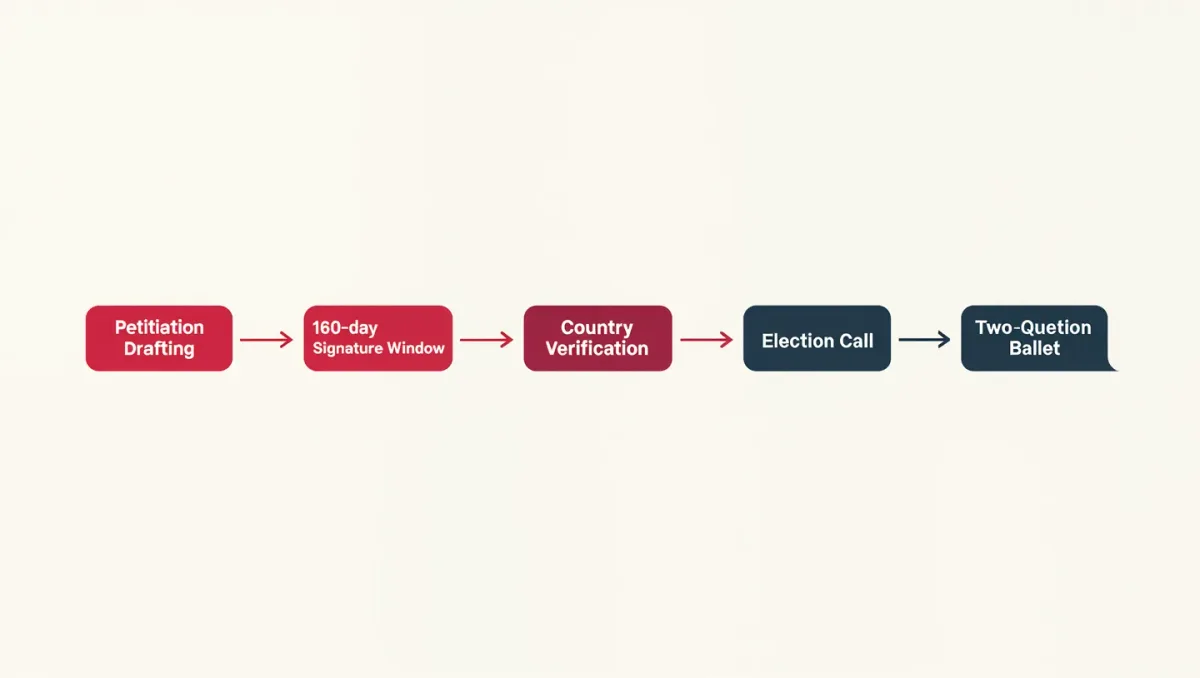
Since 1911 Californians have held the power to write their own statutes and constitutional amendments, and the road from idea to ballot runs through a signature quota set by the last gubernatorial election.