The warehouse in San Bernardino cuts a night shift, and within days thousands of workers across the Inland Empire are on the same website: UI Online, the Employment Development Department's portal for unemployment insurance claims. California's jobless rate sat near 5.5 percent in late 2025 per EDD estimates — the highest of any state — which means the mechanics of this system matter to more households here than anywhere else in the country.
This site publishes information, not financial or legal advice. Eligibility decisions belong to the EDD, and individual cases turn on wage records that only the department can see.
Who qualifies, and what is a base period?
Unemployment insurance is not a welfare program and not a universal benefit. It is social insurance paid for entirely by employers through a payroll tax on the first $7,000 of each worker's annual wages. Workers pay nothing into it directly, and the amount they receive depends on their recent earnings history.
The EDD looks at a window called the base period: the first four of the last five completed calendar quarters before the week a claim is filed. A worker laid off in March 2026, for example, would have claims computed on wages from January 2025 through September 2025. To open any claim at all, a person must have earned at least $340 in the highest quarter of that base period — a low bar, but a real one that screens out very short work histories.
Applicants also must be unemployed or partially unemployed, able and available to work, and actively seeking work. Since 2022, the EDD has again enforced the work-search requirement that was suspended during the pandemic, and claimants certify every two weeks that they have contacted employers.
How much does a claim pay?
The weekly benefit amount is a formula, not a flat payment. The EDD takes the highest-earning quarter of the base period and pays roughly half of what the claimant earned per week in that quarter, rounded. Benefits range from a floor of $40 to a maximum of $450 per week.
That maximum has not moved since 2005, which is the detail most often cited by labor groups pushing for reform. A worker who earned $120,000 a year in Silicon Valley and a worker who earned $46,800 receive the same $450 check — a replacement rate of under 20 percent for the higher earner. Roughly a third of California claimants collect the maximum, per EDD data.
Regular claims last up to 26 weeks in a 52-week benefit year. During recessions, federal programs have historically extended benefits, as they did through the pandemic-era Pandemic Emergency Unemployment Compensation that ended in September 2021. There is no standing extended-benefit program in normal times.
Why the system runs on borrowed money
California's UI fund is financed by employer taxes set in state law, and the taxable wage base has stayed at $7,000 since 1984 — by far the lowest among large states. When COVID-19 shutdowns pushed claims past five million in spring 2020, the fund emptied and the state began borrowing from the federal government to keep checks flowing.
That loan balance peaked above $20 billion. Because the state has not repaid it fast enough to avoid federal interest charges, California has owed interest on the debt every September since 2022 — money that comes out of the general fund, not the UI fund. The 2024-25 state budget directed $3 billion toward the loan, and the Governor's subsequent budget proposals continued paydowns, but the balance remains in the billions and employer taxes automatically rose in steps to help service it.
Reform proposals surface nearly every session. Senatorial bills to raise the taxable wage base or lift the $450 maximum have passed policy committees but stalled over cost to employers. For now, the structure of 1984 still governs the checks of 2026.
How filing and appeals work
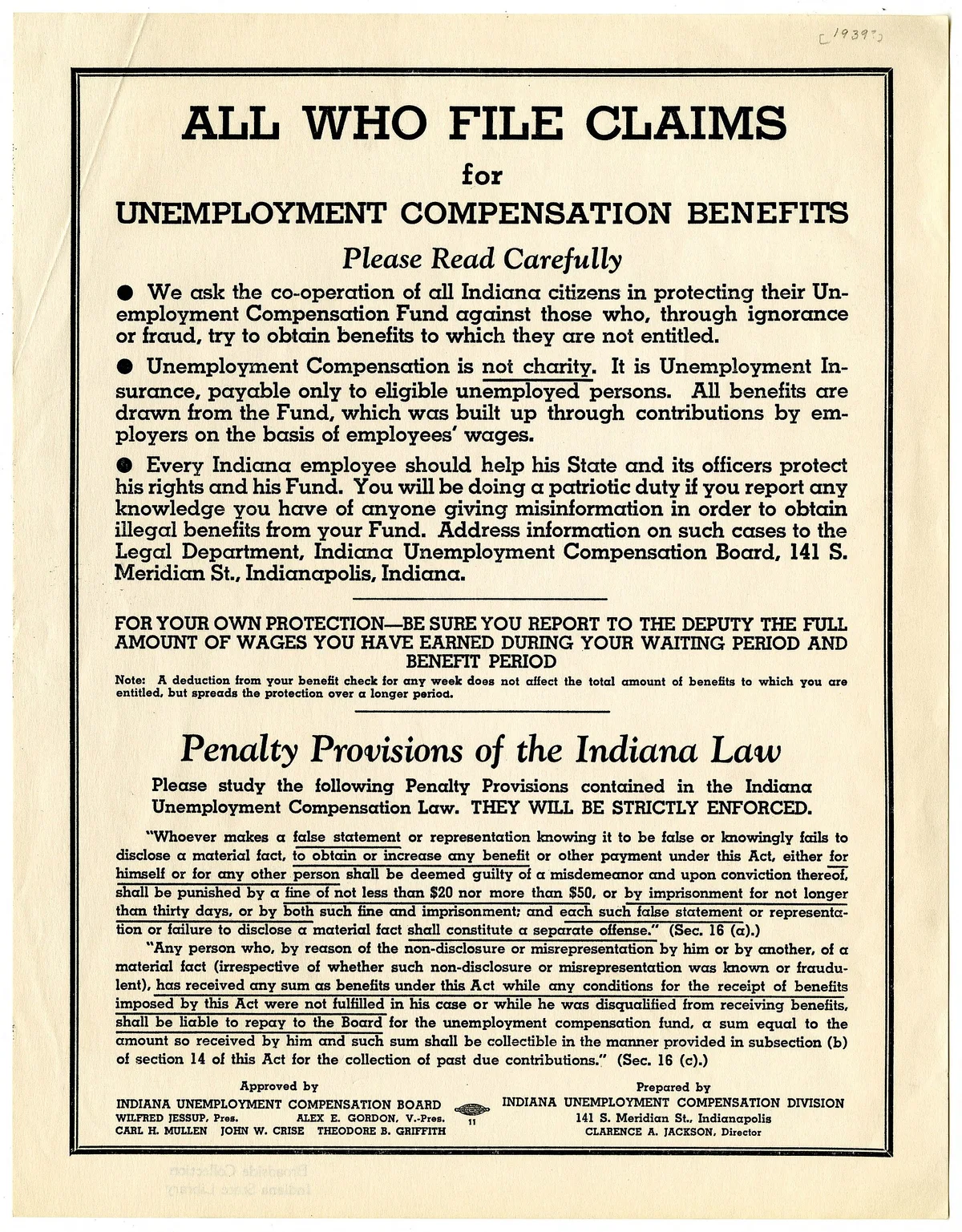
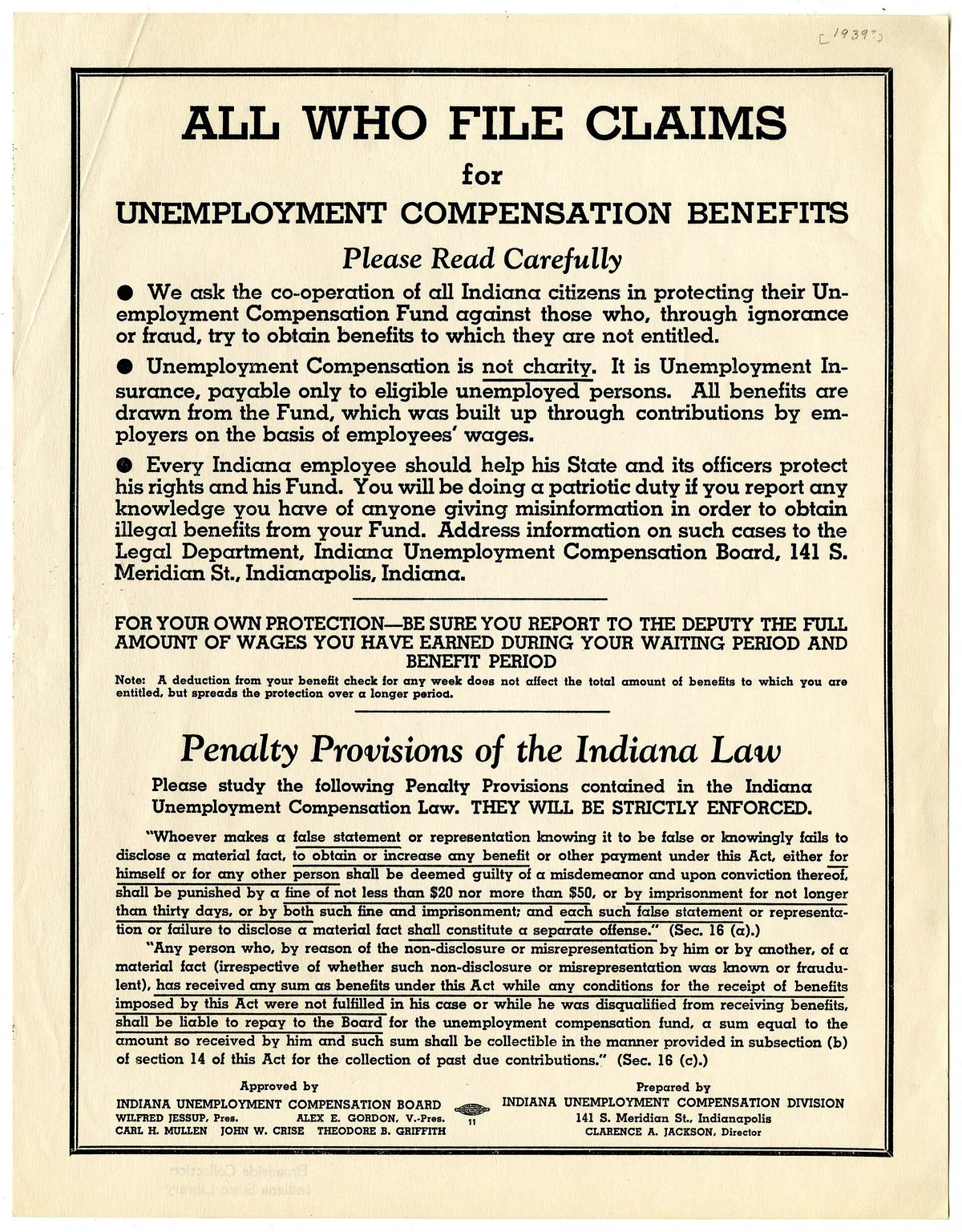
A claim opens online, by phone, by mail or fax. The EDD prefers UI Online, where claimants certify for benefits every two weeks and report any wages earned in those weeks. Earnings must be reported even if they are small; unreported earnings are the most common cause of overpayment notices, which can require repayment and, in fraud cases, carry penalties.
When a claim is denied — for insufficient wages, a disqualification over the reason for separation, or a work-search issue — the claimant has 20 days to file an administrative appeal. The case goes first to an administrative law judge with the California Unemployment Insurance Appeals Board, a body independent of the EDD. Hearings are informal, evidence can include employer records and witness testimony, and either side can appeal the judge's decision further to the board itself and then to Superior Court.
Processing times drew national criticism during the pandemic backlog, and the EDD has since rebuilt parts of its intake system under legislative pressure. The department reports most claims are paid within about three weeks of a complete certification, though complicated separations — quit-for-good-cause disputes, for instance — take longer.
What this changes for a California reader
The system's design choices explain its quirks. The $7,000 wage base is why benefits are low relative to wages. The base-period rule is why a worker with a strong 2026 cannot use those earnings on a claim filed in early 2027. The employer-funded structure is why legislators who want richer benefits must also find who pays for them.
Watch two things in 2026: whether the Legislature moves on any of the pending bills to raise the maximum weekly benefit, and whether the federal loan balance falls fast enough to stop the automatic employer tax increases scheduled under the state's experience-rating formula.