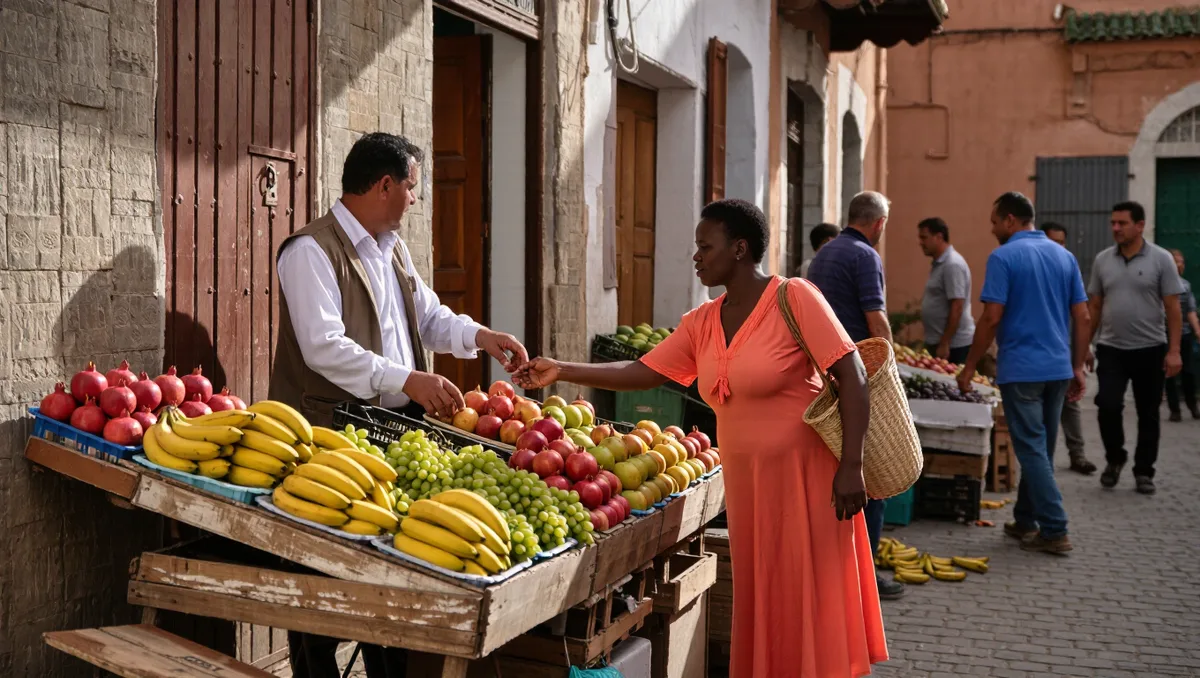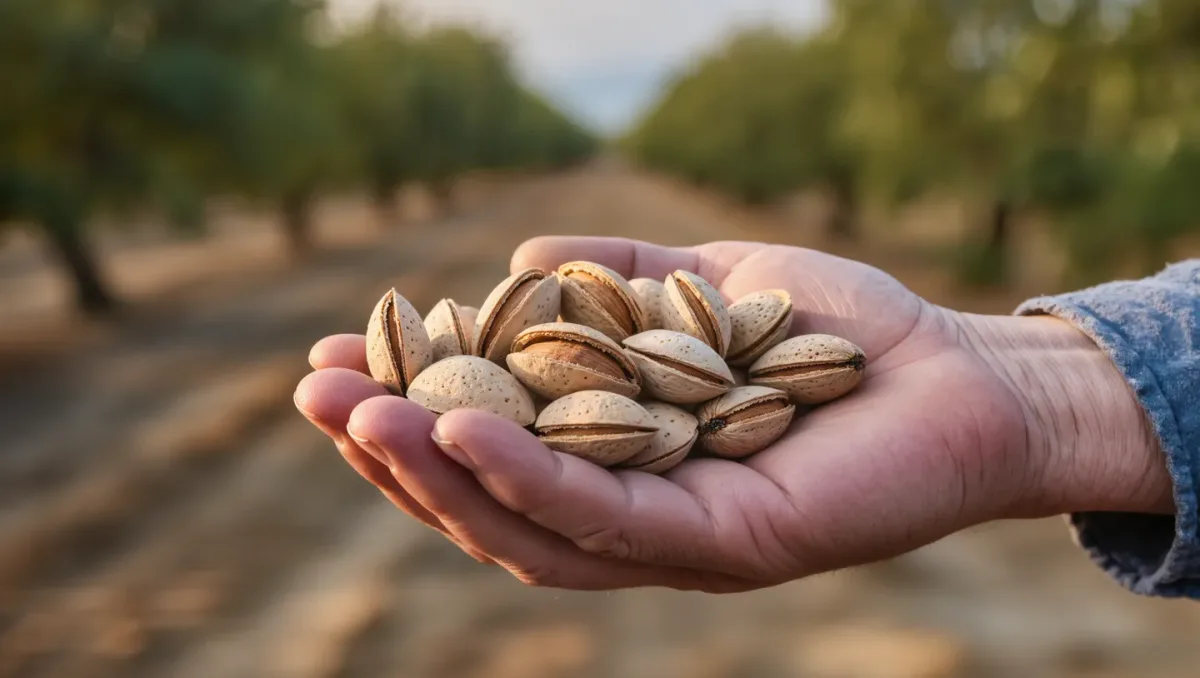
Drive Highway 99 between Modesto and Bakersfield in late February and the passing orchards are in bloom, white and pink rows stretching to the horizon. Those rows are the core of an industry that produced roughly 2.8 billion pounds of almonds in 2024, per the USDA, on more than a million bearing acres — about 80 percent of world supply — and California grows them almost entirely within the Central Valley.
The crop's economics explain the landscape. Almonds are California's most valuable tree-nut export and a top-three farm product by value, and the industry's choices about water, bees and markets ripple through towns from Chico to Tulare.
How the almond business is structured
Almonds are a capital-intense, long-cycle crop. An orchard takes three to four years to bear a commercial crop and is typically farmed for around 25 years before removal. That means growers commit land, well water and trellis-level investment years before the first paycheck, and the industry cannot quickly shrink or expand in response to prices.
Most acreage belongs to operations of a few hundred to several thousand acres, though the Almond Board of California, which administers the federal marketing order, counts more than 6,000 growers statewide. Handlers — Blue Diamond, Wonderful, Olam and dozens of others — buy, process, package and export the crop, and they set the pool prices that determine what a grower actually receives per pound.
The price farmers quote at harvest is a farm-gate figure. Per-pound receipts have ranged from above $4 in the 2015 peak to under $2 in recent seasons as global supply grew, per industry price reports, squeezing margins for growers who expanded at the top of the market.
From orchard to snack aisle
The valley captures more of the value chain than it did a generation ago. Handlers now ship not just raw kernels but blanched, sliced, roasted, buttered and portion-packed product, and Blue Diamond's Sacramento plant alone processes a substantial share of the state crop. Almond milk and almond flour turned the industry into a supplier for national food manufacturers, insulating demand somewhat from the commodity price cycle. That processing base is why the industry counts some 100,000-plus jobs statewide, direct and indirect, concentrated in Fresno, Kern, Stanislaus and Merced counties.
Water: the industry's defining input
An acre of almonds consumes roughly three to four acre-feet of water a year in much of the valley — more than many field crops, less per unit of value than critics often claim, but enormous in aggregate on a million acres. That demand collided with reality in 2014, when the Legislature passed the Sustainable Groundwater Management Act, requiring overdrafted valley basins to reach sustainable yield by 2040-2042.
SGMA is now entering its enforcement decade. Groundwater sustainability agencies in the San Joaquin Valley are allocating pumping allowances, charging for excess use and, in some basins, paying growers to fallow land. UC agricultural economists have estimated that meeting the law could retire on the order of half a million to a million acres of Central Valley irrigated farmland by 2040, and permanent crops like almonds sit squarely in the path of those limits.
The result is visible along Highway 5: dead and browned orchards where pumping allocations ran out during the 2020-2022 drought, followed by replanting in areas with more secure surface-water rights. Location within the water-hierarchy ladder now matters as much as soil quality.
Harvest itself is a mechanical ritual unique to the crop. In August and September, shakers grip each trunk and shake the nuts to the ground, sweepers line them into windrows, and pickups vacuum them into trailers. Because the crop dries on the orchard floor, weather at harvest determines quality grades as much as weather at bloom — an August rain can cost a grower a premium grade on the whole block.
Bees, exports and the price of a bloom
Every February, the largest managed pollination event on Earth happens in these orchards. The California crop requires roughly two million commercial honeybee hives — nearly all of the country's available supply — trucked in from as far as the Dakotas and Florida. Growers pay rental fees that have run from under $100 to over $200 per hive depending on the season, making pollination a nine-figure line item and the anchor of the national beekeeping calendar.
The market for the nut itself is even more international. About 70 percent of the crop is exported, with the European Union, India, China and the Middle East as the largest destinations, per the Almond Board. That exposure cuts both ways: tariffs and trade disputes — including India's duties and China's retaliatory tariffs of recent years — can move farm prices by whole quarters, and currency shifts show up in Modesto before they show up anywhere else.
What this changes for a California reader
The industry's footprint is also a political fact. Sacramento debates over water exports from the Delta, pesticide rules and diesel irrigation pumps all land differently in Fresno than in San Francisco, and the almond sector's trade associations are among the most active voices in state water policy. For valley towns, almonds are employment beyond the orchard: huller and sheller plants, bee brokers, irrigation installer firms, trucking outfits and processors that run year-round. When prices fall, the layoffs appear in those satellite industries first.
Watch three things: how much acreage valley groundwater agencies formally retire in their 2026-2027 plan updates; whether per-pound prices recover from their multi-year slump as older orchards come out; and the annual bloom, whose February weather — rain, or enough chill hours — sets the ceiling on the entire crop year before spring arrives.