
How California's Film and TV Tax Credits Shape Production Decisions
A base credit of 35% to 40% now competes with rival states, but the money only reaches productions that clear specific spending thresholds.
California culture: film, music, food, wine and the creative life of the state, covered year-round.
A base credit of 35% to 40% now competes with rival states, but the money only reaches productions that clear specific spending thresholds.
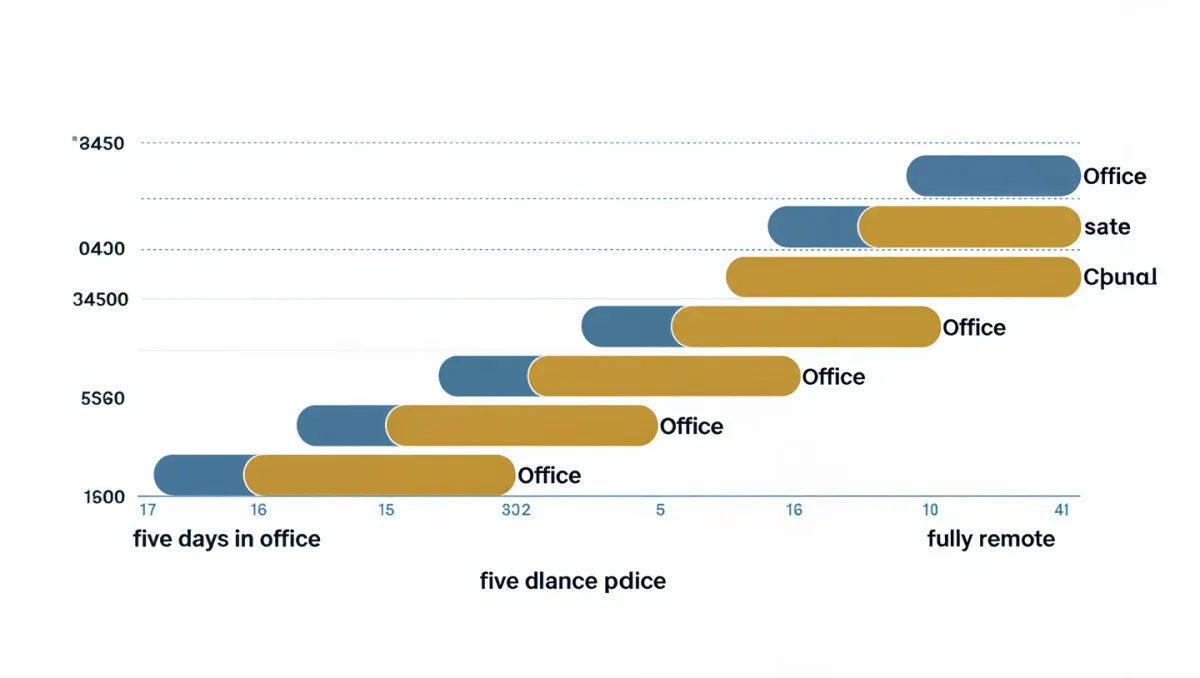
The tools that made telecommuting possible came from Bay Area companies, and those same companies now enforce some of the strictest return-to-office rules in American business.

San Diego County counts roughly 150 craft breweries, and the hoppy style invented here reshaped the American palate while filling industrial parks and tasting rooms with local payroll.

Seasons of eight episodes replaced seasons of twenty-two, and the arithmetic of shorter orders, spread across more locations, changed what a Los Angeles crew member earns per year.

McDonald's, In-N-Out, Taco Bell, Jack in the Box, Del Taco, and Panda Express all started on Southern California streets, and the state's car culture, not its cuisine, built the industry.