The governor of California runs the state’s executive branch. That means enforcing the laws, submitting the budget, and appointing officials. The governor also commands the National Guard and signs or vetoes bills. The limits are just as firm. The Legislature can override a veto with two-thirds votes. Voters can remove a governor through recall. Term limits cap service at two terms.
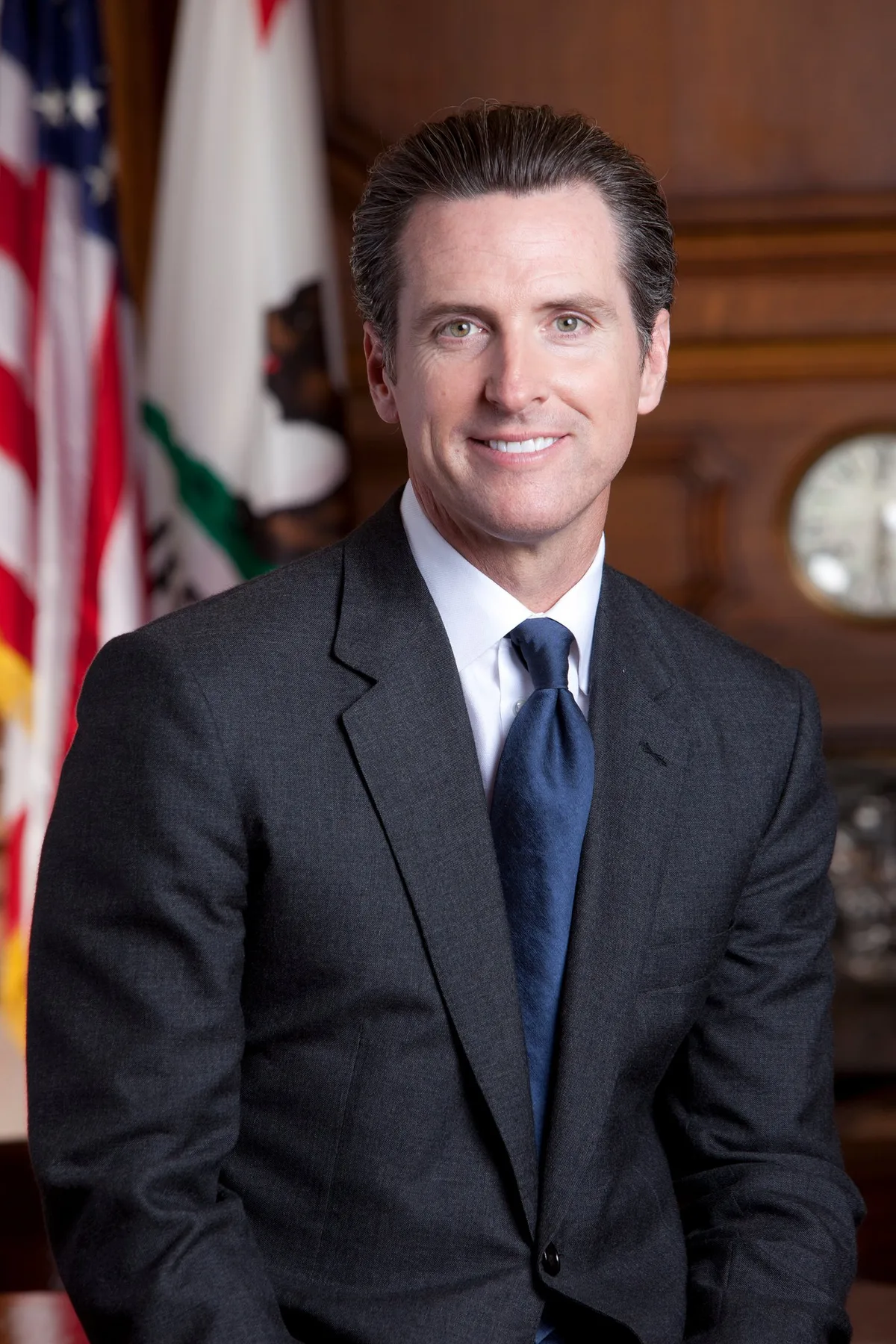
Gavin Newsom holds the chair now. His official biography notes he was elected as California’s 40th governor on November 6, 2018. The reference summary records his inauguration on January 7, 2019. The office dates to 1849, the year before California became a state. Its powers sit in Article 5 of the state constitution. We covered a connected angle in How to Track California Governor Vetoes and Override Attempts.
What Powers Does the Constitution Give the Governor?
Article 5 starts with the basics. The governor is the state’s chief executive and makes sure its laws are carried out. The office also directs state agencies and departments. The reference profile of the office adds the power to appoint: members of boards and commissions, plus judges to fill empty seats. And when a U.S. Senate seat opens, the governor names the replacement.
The security and fiscal powers are broad. The governor commands the California National Guard and the State Guard when they are not federalized. He can call the Legislature into session and gives the yearly State of the State address. Each year the office writes and submits the budget. It can approve or reject funding levels for state programs. The clemency power covers pardons, reprieves, and reduced sentences. Clemency tied to impeachment is barred, and some reduced sentences need approval from the California Supreme Court.
How Do the Veto and Budget Tools Work?
Bills give the governor three paths. The office can sign a bill, veto it entirely, or strike single spending items through the line-item veto on budget bills. A veto is not the final word. The Legislature can pass the bill again if two-thirds of the members in each house vote yes.
The budget is the yearly lever. The governor writes the spending plan first and can trim it line by line. That shapes program funding before the Legislature votes. The result is a standing negotiation over the same document every year.
What Limits Check a California Governor?
Term limits come first. The governor is limited to two terms, whether or not they run back to back. Service after November 6, 1990 counts toward the cap. Jerry Brown served from 1975 until 1983 and again from 2011 until 2019. He remains the longest-serving governor in state history.
Removal is the sharper limit. The Assembly can impeach a governor for misconduct in office by majority vote. The Senate can then remove him with a two-thirds vote. Voters hold a tool as well. A recall petition needs names equal to 12 percent of the last vote for governor, with at least 1 percent from each of five counties. Only two recall elections have ever reached the ballot. In 2003, Gray Davis lost his seat and Arnold Schwarzenegger replaced him. In 2021, Newsom beat the recall.
One more check is geographic. The powers of the governor fall to the lieutenant governor whenever the governor leaves California. The two run for office separately, so rival parties have often held them.
Who Holds the Office Now?
Newsom is serving his second term, which ends on January 1, 2027, per his official biography and the office’s reference summary. Governors are elected every four years. They take office on the first Monday after January 1 following an election. The two-term rule guarantees the next governor will be someone new.
Conclusion: Broad Powers, Short Leash
The governor’s powers reach daily life. They touch the state worker whose agency answers to the governor’s appointees, the Guard member called out in a disaster, and the program funded through a budget the office wrote first. The limits are just as real. A Legislature can override. A petition can force a recall. And a two-term wall stands at the end of the second inauguration. For related coverage, see Twelve Years and Out: How Term Limits Remade the California Legislature.