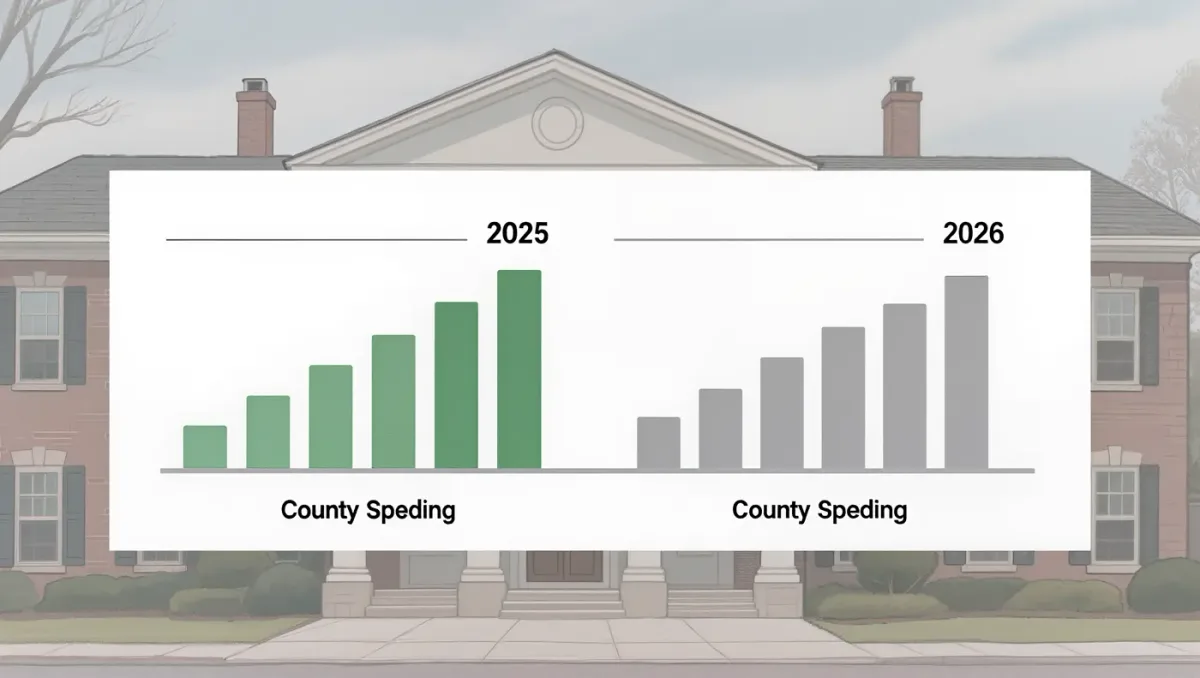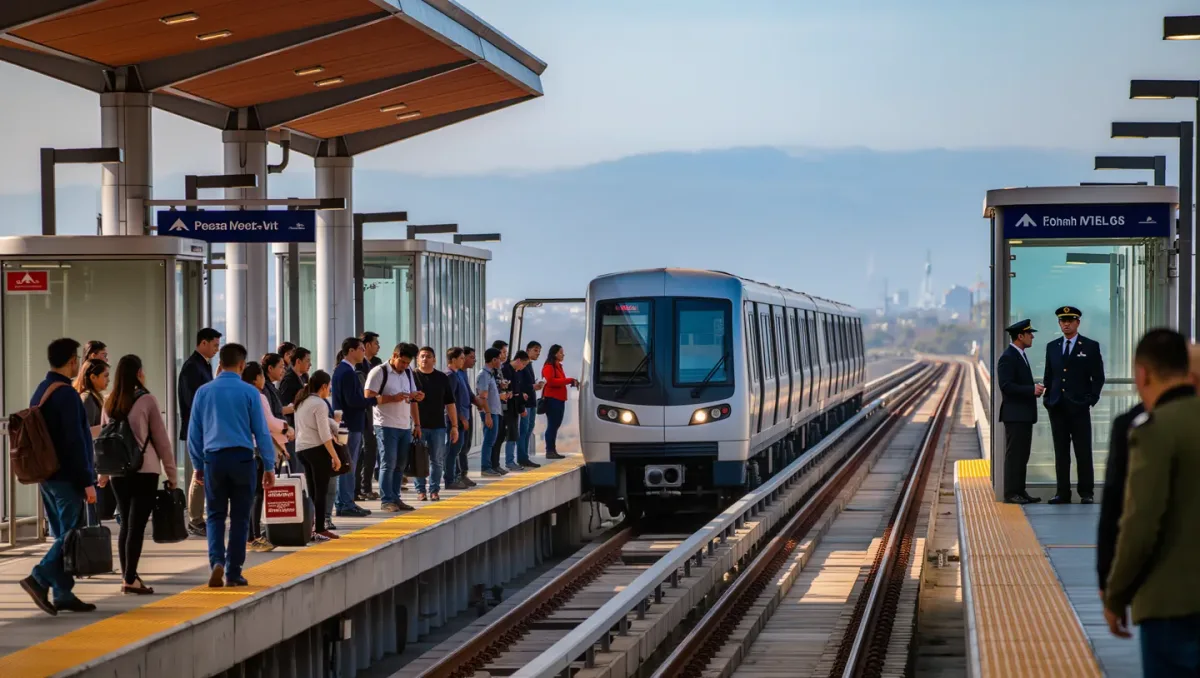
The BART Board of Directors adopted a fiscal year 27 budget on June 11 that maintains current rail service without a fare increase, but only by pairing $18 million in cuts and reduced staffing with $88.5 million in borrowing, per BART's announcement, June 11, 2026.
The borrowing is a bridge, not a solution. It covers the gap until proceeds arrive from the regional transit funding measure BART and other Bay Area operators are pursuing for the November 2026 ballot, the same measure agency leaders promoted through the winter. This article reports on transit finance.
How the budget threads the needle
The $18 million in reductions targets administration and back-office staffing rather than train frequency, per the agency's announcement, an allocation designed to answer the political argument over whether BART has tightened its own operations before asking voters for regional money. Riders see the same service map; employees and managers absorb the reduction. local news coverage.
The $88.5 million in borrowing carries costs of its own, and repayment depends on new revenue that does not exist yet. BART's own materials describe the plan as bridging until the revenue measure passes, an implicit acknowledgment of what happens if it fails: the agency's earlier contingency planning outlined service cuts to three lines, 30-minute headways on evenings and weekends, station closures, and roughly 1,200 layoffs.
The stakes behind November
The regional measure would ask voters across the Bay Area to fund BART, Muni, Caltrain, and smaller operators from a single source, replacing the patchwork of county sales taxes that has left each agency bargaining separately. Its design has shifted through the winter and spring as policy groups negotiated what BART would be required to deliver, including cleanliness and safety metrics, in exchange for the money.
BART's fare recovery remains among the weaker structural positions in the country: fares covered a majority of operating costs before 2020, and ridership has recovered only partially since.
BART's board framed the adoption as a statement of good faith to regional partners, arguing that the system showing up with a balanced plan strengthens its hand in the November campaign.
What to watch
Whether the measure qualifies for the November ballot, and the spring 2027 budget cycle, when the borrowing's repayment schedule collides with the outcome.