San Jose started its budget year earlier than most California cities. Mayor Matt Mahan published his March budget message on March 9, 2026, and brought it before the City Council on March 17, per the city's budget office, laying out a fiscal picture that closes a $35.6 million gap in the current year while warning of a larger projected shortfall ahead.
The early calendar is deliberate. San Jose's charter requires the mayor to frame budget priorities in spring, months before the June vote, giving the council and the public a longer runway than the compressed schedules in Los Angeles or San Francisco. This article reports on city finances.
What the numbers show
The $35.6 million current-year gap, per the Mayor's budget office, is real but manageable from reserves and targeted trims. The harder figure is the following year's projected deficit, which per an analysis cited by the Bay Area Council stood at $52.9 million before the mayor's plan reduced it, driven by pension costs, deferred maintenance, and revenue that grows slower than service obligations.
Mahan has built his first terms around closing such gaps with a stated bias against across-the-board cuts, instead proposing program-level reviews and, in past years, asking voters for a temporary parcel tax to fund core services. That measure's fate shapes every budget line this spring.
How the process runs from here
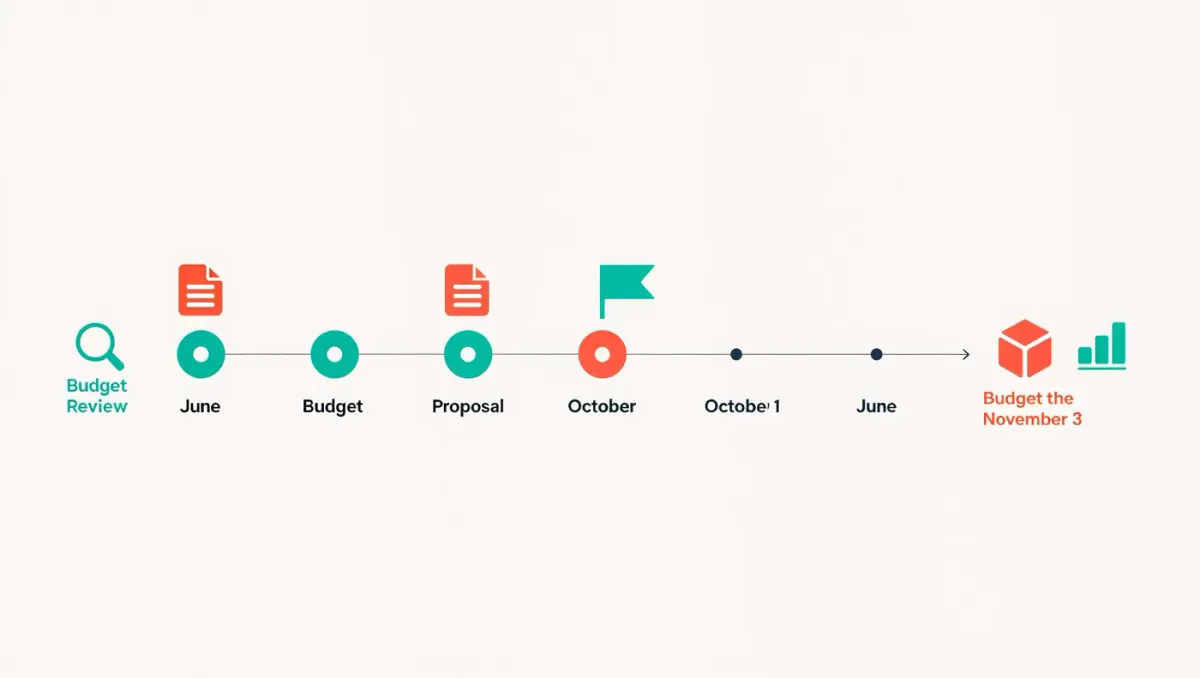
After the March message, city staff produce the proposed budget, council members hold study sessions through April and May, and the council adopts a final budget in June, just before the July 1 fiscal year. Public comment happens mostly at the study sessions, and neighborhood associations track service-level tables, the pages showing staffing for libraries, code enforcement, and street maintenance.
San Jose's economy gives the budget both its problem and its partial answer: property tax receipts grow slowly under the state's Proposition 13 limits, while the tech-driven sales and transfer taxes swing with the cycle.
What to watch
The proposed budget document in May for specific program restorations and cuts, and the June council vote, which will show whether the mayor's coalition holds through the final line items.