San Diego's share of Measure C money now has a plan attached to it: a five-year, $119 million investment program that Mayor Todd Gloria announced at his State of the City address on January 15 and will ask the City Council to approve, per the City of San Diego.
The announcement answered a question that has hung over the city since voters passed Measure C in 2020, the ballot measure that raised the hotel room tax to fund expansion of the San Diego Convention Center, road repairs, and services for people experiencing homelessness, with an equity component for neighborhoods that historically received less infrastructure spending. This article reports on municipal finance.
How the plan splits the money
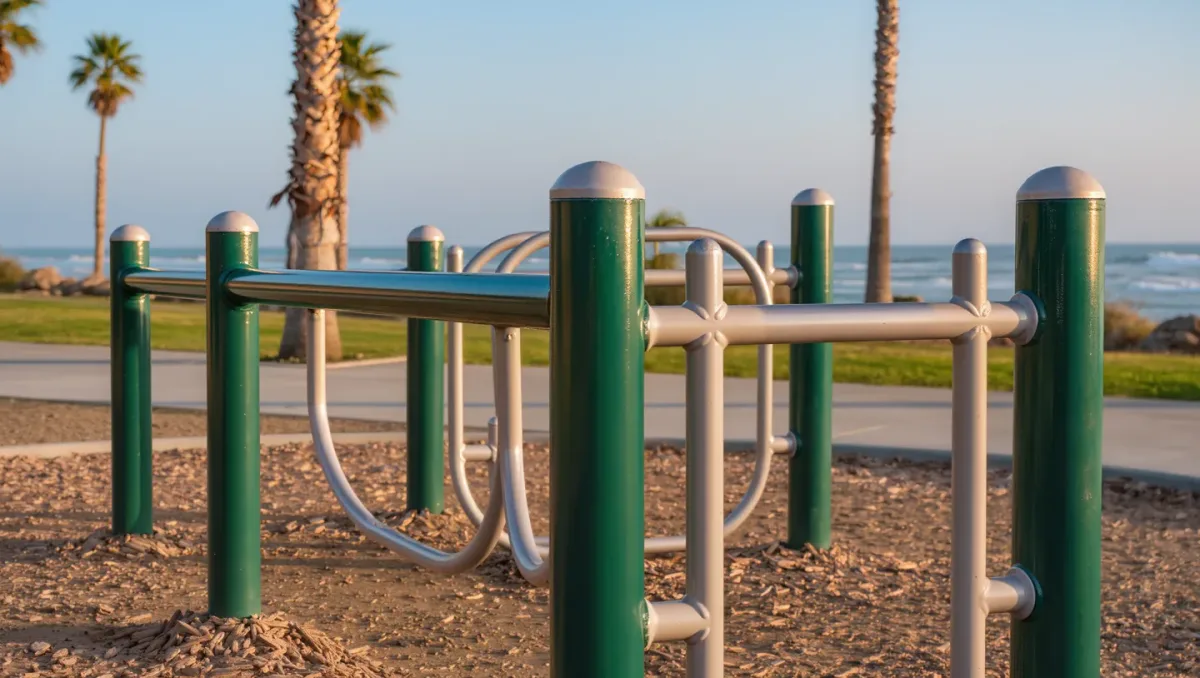
The five-year framework distributes the $119 million across the measure's statutory categories, with park projects in underserved communities front and center. Under the measure's design, roughly 40 percent of the new hotel tax flows to neighborhood improvements weighted toward communities of concern, a provision added to win the two-thirds majority that had eluded earlier convention center tax attempts.
City staff structure the spending as annual appropriations inside a five-year plan, which lets the council adjust yearly while bond-rating agencies see the longer commitment. The first cycle of projects will appear in the budget the mayor proposes for the fiscal year starting July 1.
Why it took years to get here
Measure C passed narrowly in the 2020 primary and survived litigation over its vote count before taking effect. Revenue then accumulated while the city worked through the tourism marketing district agreements and pandemic-era hotel downturns that suppressed the tax base. The plan Gloria announced represents the first full programmatic use of the accumulating balance.
Hotel operators, who pay the tax, have pressed for visible infrastructure returns, while neighborhood groups have tracked whether the equity formula directs dollars where the ordinance promised. The five-year plan will be tested against both expectations.
Community planning groups in each council district will submit project requests as the budget season advances, giving the five-year framework its first real test of demand against the available balance.
What to watch
Council action on the five-year plan, and the first project list in the mayor's proposed budget, where park locations will show whether the equity weighting functions in practice.