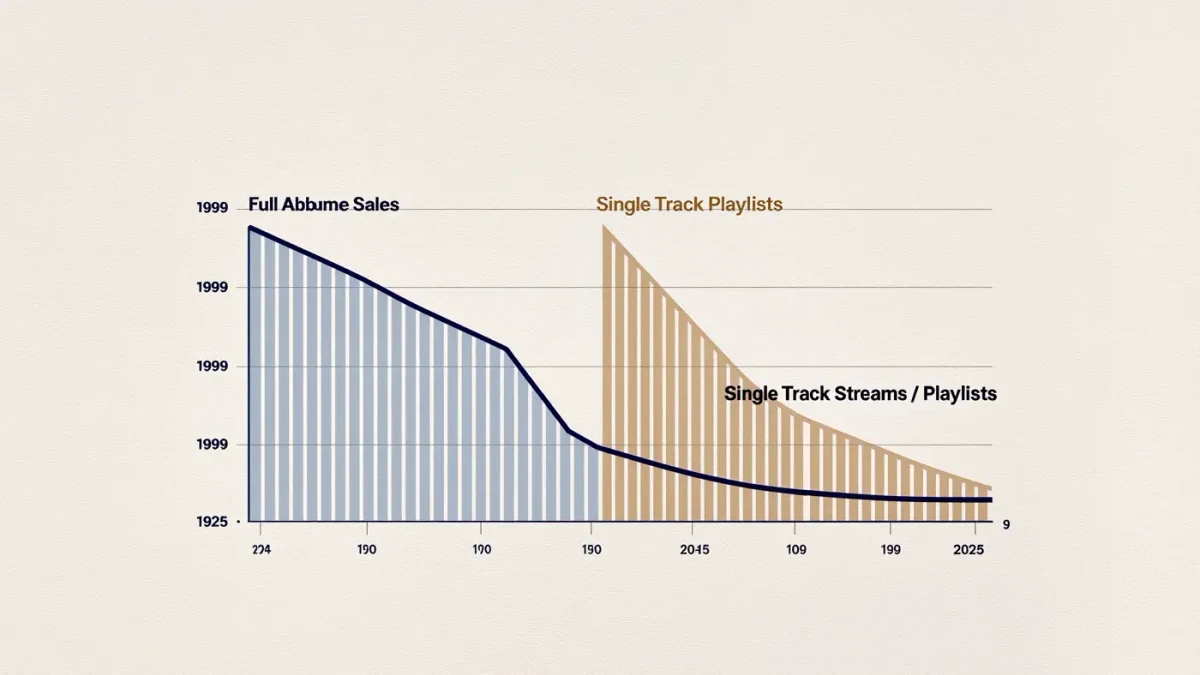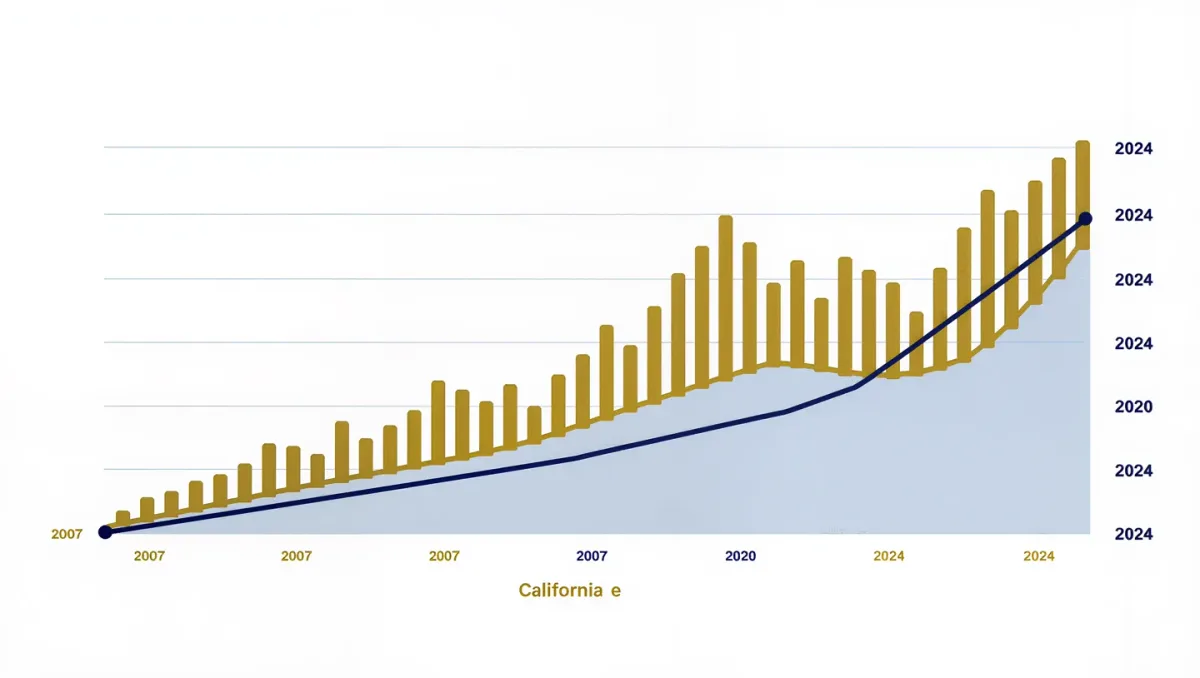
Americans spent more on vinyl records than on CDs every year since 2020, and per the Recording Industry Association of America's year-end tallies, vinyl revenue passed the billion-dollar mark and kept climbing, with roughly $1.4 billion in LP and EP revenue reported for 2024. That reversal of forty years of decline is a manufacturing story as much as a taste story, because pressing plants simply cannot make records fast enough, and nowhere does the demand show up more visibly than in California, home to some of the country's largest independent record retailers and a dense indie label scene.
This explainer looks at how the vinyl economy actually works in 2026: who presses the records, why new albums take months to schedule, and what the revival means for California listeners and stores.
How big is the vinyl revival, really?
The RIAA's numbers are unambiguous. Vinyl revenue grew for more than a decade straight, reaching about $1.4 billion in the United States in 2024, roughly four times what CDs generated that year, and vinyl now accounts for the majority of physical format revenue even as streaming supplies the overwhelming share of total recorded-music income. Per RIAA shipment data, LPs moved tens of millions of units annually by the mid-2020s, volumes the format had not seen since the 1980s.
Importantly, vinyl buyers are not nostalgia cases alone. Industry surveys and retailer accounts describe a buyer base heavy in listeners under 35 who purchase records as artifacts: cover art, liner notes, and a physical relationship to music that a playlist cannot supply.
Why can't plants just press more?
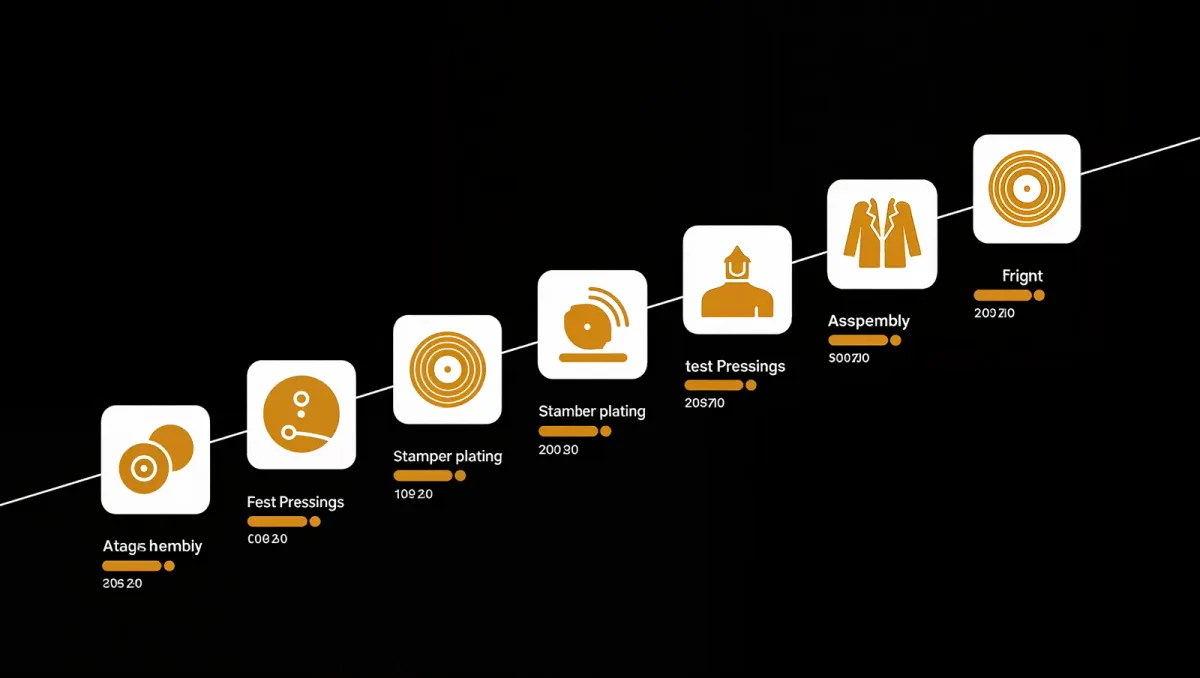
Pressing a record is industrial manufacturing, not copying a file. A plant needs lacquer cutting, electroplating to make metal stampers, heavy hydraulic presses, vinyl compound, and skilled staff. When demand collapsed in the 1990s, most American pressing capacity shut down or was scrapped, and the machinery itself stopped being made for years. The revival that began in the late 2000s forced labels to queue behind a national capacity concentrated in a few dozen plants, and lead times for new releases stretched from weeks to many months at the peak of the crunch.
For California's musicians the queue has practical consequences. A Los Angeles band planning a summer tour must commit to a pressing order months ahead, guess at demand, and eat the cost of unsold units if the guess is wrong. Small labels describe ordering conservative runs of 300 to 500 units and reordering later at higher per-unit cost, a rhythm that shapes release calendars statewide.
New plants have opened and older ones have expanded since then, easing the worst delays, but capacity remains tight because demand keeps rising and presses take time to build, install, and calibrate. Independent labels report that securing a slot for a spring release still means booking in the preceding fall.
What does California's role look like?
California is less a pressing center than a demand engine and a culture factory. The state's independent retail anchors, including Hollywood's Amoeba Music and long-running Bay Area shops, regularly rank among the highest-volume record stores in the country, and their turnstile traffic on Record Store Day, the April event that presses exclusive titles for independent shops, sets national sales markers. Per store accounts reported in trade press, Amoeba's Hollywood location alone stocks well over 100,000 used and new titles.
The state also hosts much of the design, mastering, and A&R decision-making that feeds the pipeline: album art studios, mastering engineers, and label offices clustered in Los Angeles and the Bay Area decide what gets pressed and how. And California artists, from pop headliners to Central Valley regional acts, supply a disproportionate share of the titles moving through pressing queues.
| Format | US revenue, 2024 (RIAA) | Share of physical revenue |
|---|---|---|
| Vinyl LP/EP | about $1.4 billion | majority |
| CD | roughly $400-500 million | minority |
| Cassettes and others | low tens of millions | small |
Who makes money on a record?
A $30 album splits many ways: the retailer's margin, distribution, the label, manufacturing, and only then the artist. Independent artists often report that vinyl is their best-margin physical product precisely because they can press small runs, sell directly at shows and online, and keep most of the difference between a $6 to $10 manufacturing cost and a $25 to $35 shelf price. For California's tour-heavy club and theater circuit, merchandise tables carrying vinyl have become a meaningful slice of artist income.
Why collectors keep prices high
Scarcity economics does the rest. Limited pressings, colored variants, and exclusive Record Store Day titles create a secondary market where sought-after records resell for multiples of their sticker price, and California shows, flea markets, and estate sales feed a resale circuit that keeps used stock moving through the state's shops. Collectors describe the hunt as part of the product: a record found at a Pasadena swap meet carries a story that a download never will. Retailers, for their part, credit used inventory with keeping foot traffic steady between new-release cycles, because a collector who sells back records typically spends the credit the same afternoon.
The flip side is price sensitivity. When manufacturing and freight costs pushed new LPs toward $30 and above in the early 2020s, retailers noticed buyers becoming more selective, favoring catalog favorites over speculative picks. Any demand stall would likely show up first in those impulse purchases, before it ever registered in industry revenue charts.
What to watch
Watch two things through 2026: whether RIAA vinyl revenue plateaus or extends its growth streak, and whether Record Store Day's California flagships keep posting the sales lines that national press treats as the format's pulse. If pressing capacity finally catches up, the story shifts from scarcity to taste; if demand stalls under high prices, expect discount bins to tell the next chapter before the trade press does.