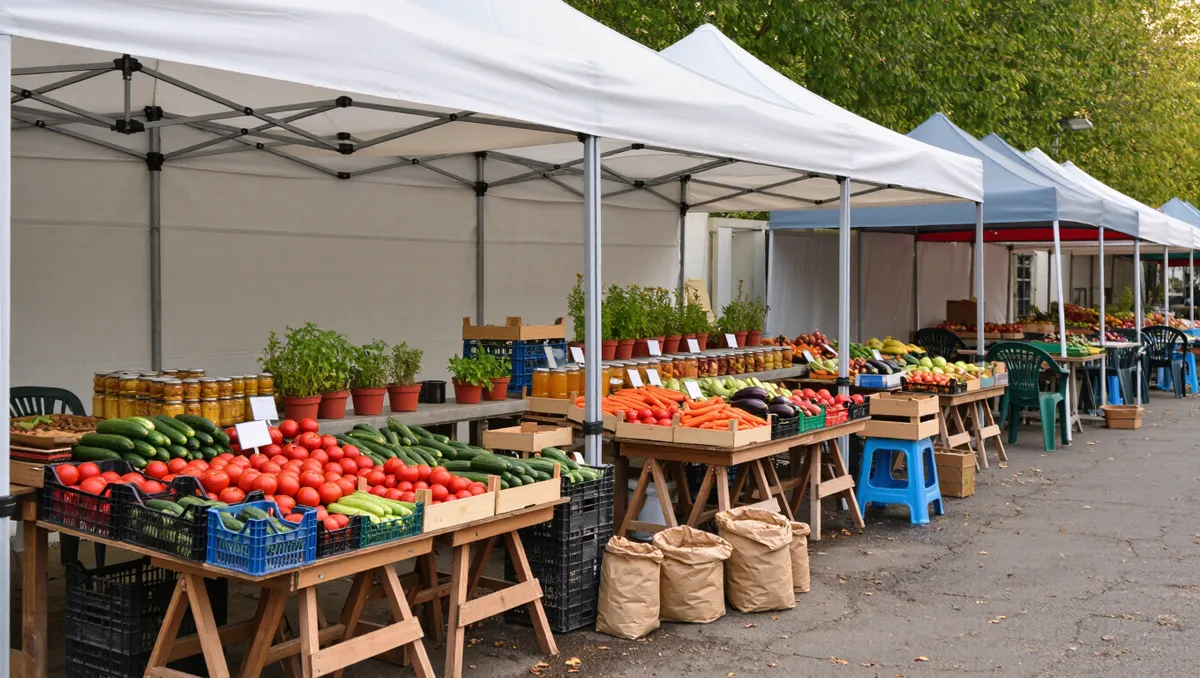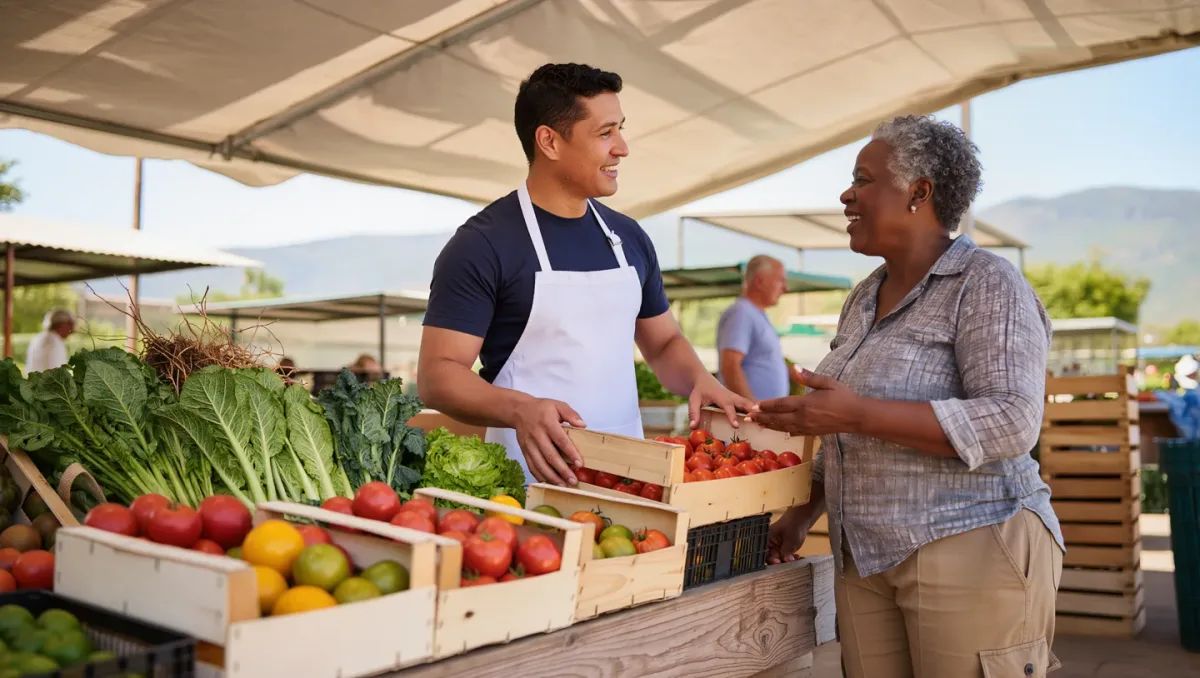
Farm-to-table menus are so standard on California dining rooms now that most diners never ask where the idea came from, but it has a specific birthplace and a date: a small rented house on Shattuck Avenue in Berkeley, where Alice Waters opened Chez Panisse in 1971 and built a restaurant around whatever nearby farms delivered that morning. Fifty-plus years later, the approach Waters popularized, seasonal, local, and ingredient-first, shapes everything from school lunch policy to the tasting menus of the state's Michelin-starred rooms.
This is the story of how California cuisine was invented, and why the state's climate, markets, and politics made it the one American region that could invent it.
What was actually new about Chez Panisse?
Waters, a Montessori teacher who had fallen in love with French food during a year in France, opened the restaurant with business partners and a simple nightly format: one fixed menu per evening, priced at $3.95 when the doors opened in August 1971, per the restaurant's own published history. What distinguished the project was not technique but sourcing. As the restaurant matured through the 1970s, Waters and her cooks built direct relationships with small Northern California growers, foragers, and ranchers, treating the supplier list as the restaurant's defining feature rather than a back-office detail.
The influence compounded through her kitchen's alumni. Chefs who trained at Chez Panisse carried the sourcing ethic across the Bay Area and eventually the country, and the broader California cooking movement of the late 1970s and 1980s, with figures from Jeremiah Tower to Wolfgang Puck, whose Spago opened in Los Angeles in 1982, turned market-driven cooking into a recognizably Californian identity.
Why did California make this possible?
The idea needed a landscape, and California supplied one that no other state could match. The state grows roughly half of America's fruits, vegetables, and nuts, per US Department of Agriculture statistics, with a Mediterranean climate that stretches harvests across nearly the whole calendar. A chef in most of the country faces winter scarcity; a California chef faces twelve overlapping growing seasons.
Policy mattered too. In 1977 the state's agriculture department adopted direct marketing regulations that formally created certified farmers' markets, allowing growers to sell straight to consumers and chefs without middlemen, per the California Department of Food and Agriculture. That legal architecture turned the region's famous markets into supply infrastructure, and restaurants began treating Saturday-market stalls as walk-in pantries. The combination of climate, farmland proximity, regulation, and a 1960s and 1970s counterculture suspicious of processed food gave the movement its distinctive California character: equal parts gastronomy and politics.
From restaurant idea to public policy
The movement's most consequential export was not a dish but an institution. In 1995 Waters founded the Edible Schoolyard at Berkeley's Martin Luther King Jr. Middle School, planting a garden and kitchen program that became a national model for food education, and her advocacy carried into the national conversation about school lunch that culminated in federal nutrition standards decades later. California, meanwhile, kept legislating around its food culture: the state's menu-labeling, farmworker protection, and school meal programs, including the universal free school meals California adopted starting in the 2022-23 school year, all ride on the same premise the Berkeley restaurant demonstrated, that ingredient quality is a public question rather than a luxury one.
| Year | California food milestone |
|---|---|
| 1971 | Chez Panisse opens in Berkeley |
| 1977 | State creates certified farmers' markets |
| 1982 | Spago opens, California cuisine goes glamorous |
| 1995 | Edible Schoolyard founded |
| 2022 | Universal free school meals begin statewide |
What the term farm-to-table means now
Success blurred the definition. Farm-to-table became marketing language printed on menus at chains that buy from the same distributors as everyone else, and critics have spent a decade pointing at the gap between the phrase and the purchase order. The durable core, argued by the movement's original practitioners, is traceability: a kitchen that can name the farm, the variety, and the harvest date of what it serves. By that standard the idea survives best not on menus but in supply contracts, with the state's restaurant scene now supporting a thick network of specialty growers who exist solely because chefs committed to buying their output.
How the ethic spread beyond fine dining
The movement's economics pushed it outward from the white-tablecloth world. As chef-driven restaurants bid up demand for specialty produce, seeds and breeds that once survived only in home gardens found commercial buyers, and growers began planning entire plantings around restaurant commitments. Grocery chains responded to the same consumer shift, adding local tags and organic sections that borrowed the movement's vocabulary even where the supply chain looked conventional. Meanwhile immigrant food traditions, from Oaxacan moles in Los Angeles to Hmong farming communities in the Central Valley, entered the same direct-market channels, broadening what California cuisine meant beyond its French-inspired origins.
The regional recipe also became a recruitment tool. Culinary schools across the country now teach market-driven sourcing as standard practice, and cooks who trained in California carry the method to Austin, Nashville, and New York, which is why a diner in any mid-sized American city can order a salad described by its farm. The idea that started as a handful of Berkeley cooks driving to ranch gates became, within two generations, the default grammar of American restaurant dining, and California remains the place where the grammar keeps being rewritten.
What to watch
Watch how the next generation reconciles the movement's founding ideals with drought economics and labor costs, and whether California's farm-to-school procurement, which directs state meal budgets toward local growers, becomes the movement's biggest market yet. The Berkeley idea began as a $3.95 menu; its largest test will be feeding millions of schoolchildren on public money.