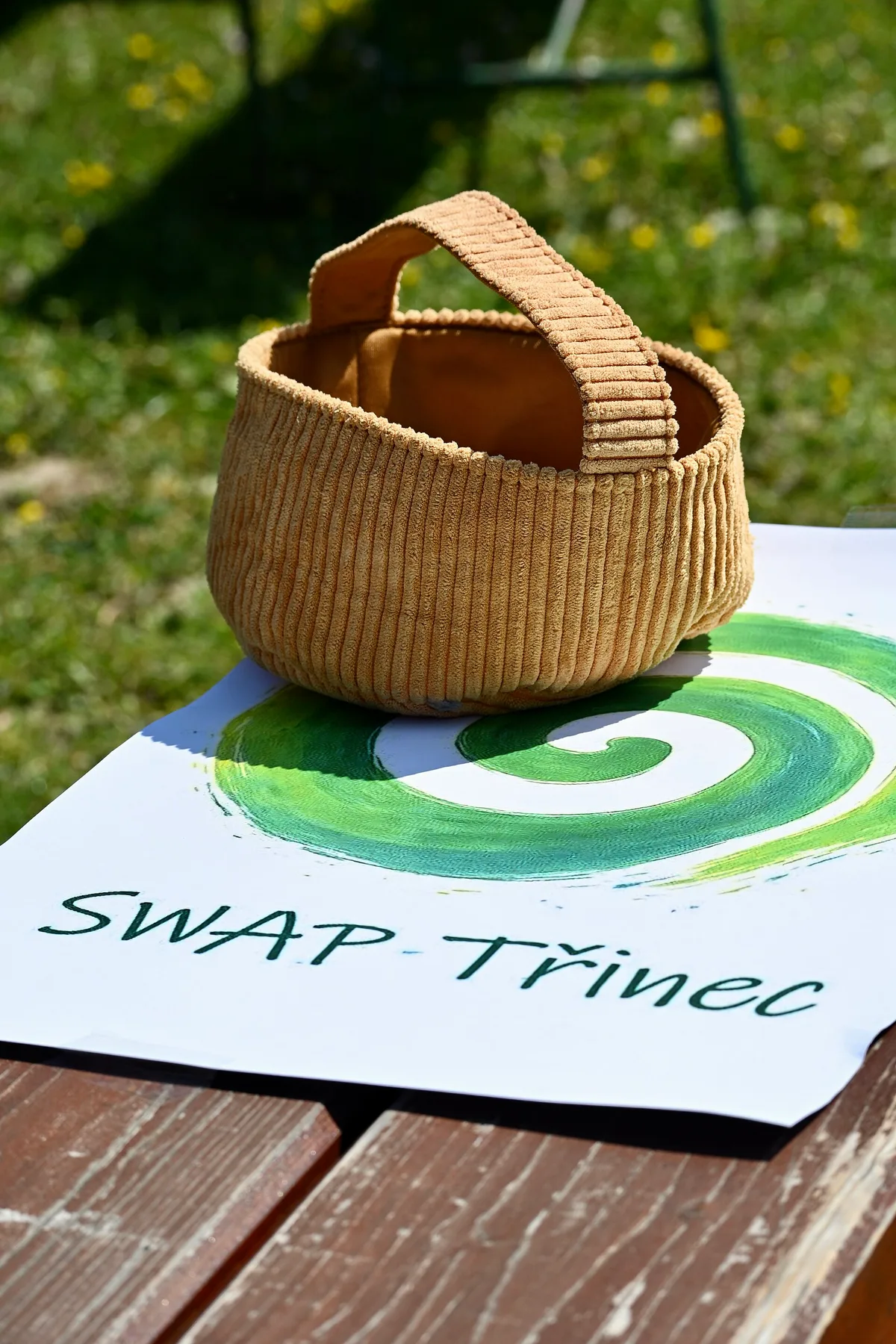
A culture swap is a gathering where neighbors trade pieces of their everyday traditions: a dish, a song, a story, a holiday custom. It works when each person brings something real from their own household and teaches it, rather than performs it. The format is simple, costs little, and fits a living room, a courtyard, or a library meeting room.
The idea sounds loose, and it is, on purpose. What holds it together is a clear invitation, a few ground rules, and a host who keeps the evening moving. This guide walks through planning one at home, from the first guest list to the last container of leftovers.
It helps to start with what you are actually exchanging. Culture is not just food or festivals; it is the whole range of habits, skills and stories a group carries. What Does Culture Actually Mean? An Explainer covers that ground in more depth. And the range is wide: as Wikipedia's overview of art notes, creative cultural activity spans painting, sculpture and architecture as well as theatre, dance, music, literature and film — so a swap can just as easily trade a lullaby or a family craft as a recipe.
What exactly is a culture swap?
It is a structured potluck-plus-demonstration. Each guest or household brings one item of tradition — a dish, a game, a piece of music, a craft, a custom — and gets a short slot to share it. The swap framing matters. Everyone gives something and takes something home, whether that is a recipe card, a new song, or the name of a holiday to look up later.
A culture swap is different from an international food night. At a food night, people sample dishes and move on. At a swap, the person who brought the dish explains where it comes from in their family, when it gets made, and how it is eaten. The teaching is the point. The food is the door. We covered a connected angle in How to Use a Culture Pass for Free Museum Visits in California.
Who should you invite, and how many people is right?
Keep the first one small. Six to twelve guests is the sweet spot for a living-room swap: enough voices for variety, few enough that everyone gets a real turn. Invite people whose backgrounds differ, but invite them as neighbors first. Nobody should feel recruited to represent a whole country or faith.
Send invitations two to three weeks ahead, and be specific in the ask. "Bring one tradition from your home and be ready to show or tell us about it in five minutes" works better than "bring something cultural," which leaves people guessing. Mention dietary notes and accessibility in the invitation itself — stairs, seating, whether kids are welcome — so nobody has to ask twice.
What makes a good first lineup?
A swap runs on a loose order, not a rigid program. A workable shape for a two-hour evening:
- Arrival and table setup. Guests label their dish or item with its name, who brought it, and one sentence about it.
- Eating first, talking second. Feed people before you ask anything of them. Forty-five minutes of open grazing loosens every room.
- The swap circle. Each guest gets about five minutes to present their tradition. A kitchen timer keeps it kind, not rushed.
- One shared activity. Teach a game, learn a dance step, sing one song together. Doing one thing as a group is what people remember.
- Swap-out. Guests leave with something: recipe cards, a shared playlist link, a printed list of what was presented.
That last step is the part most hosts skip and shouldn't. A swap that produces nothing to take home is just a dinner party with better conversation. A photocopied recipe, a QR code to a playlist, or a simple one-page summary turns the evening into something guests can pass on.
How do you keep it respectful rather than a costume party?
The rule that matters most: people share their own traditions, not someone else's. A guest teaches the dish their grandmother made, the holiday their family keeps, the music they grew up on. That framing keeps the evening from sliding into caricature, and it takes the pressure off anyone who worries about getting a culture "right."
Set three ground rules out loud at the start. First, questions are welcome, and "I don't know" is a fine answer. Second, nobody speaks for a whole group — a person describes their own household's version. Third, sacred or private customs stay home unless the person sharing chooses otherwise. The host's job is to say these once, plainly, and then not police anyone.
What this means in practice is that the host models the tone. Go first with your own offering, keep it modest, and let the room follow your lead on depth and humor.
What can go wrong, and how do you handle it?
Most problems are logistics, not politics. The common failure modes:
- Uneven turns. One confident guest talks for fifteen minutes. The timer fixes this before it starts.
- The silent guest. Some people would rather listen than present. Let them pass the talking part and still bring a dish — a labeled casserole can carry the whole story.
- Food and allergy gaps. Collect dietary needs with the RSVP, and ask guests to label ingredients. A dish nobody can eat is a wasted slot.
- Awkward questions. If a question lands badly, redirect to curiosity: "What's the story behind that in your family?" usually resets the room.
If the gathering outgrows your home, libraries, community rooms and school multipurpose rooms are the usual next step, and many will host a neighborhood group free or cheap. Keep the same format; just add a sign-up sheet so presenters know their slot in advance.
Where a culture swap fits in a California neighborhood
California blocks are often already cultural swaps without the name — the potluck after the school meeting, the playlist at the block party, the neighbor who teaches the whole street how tamales get wrapped in December. The swap format just gives those exchanges a slot and a structure. If your building or complex is the venue, note that shared-space rules vary by landlord and city, so check what your building allows before posting a flyer; our Housing desk follows those rules as they change.
The evidence here is qualitative, not statistical: no dataset says how often these gatherings succeed. What is known is what any host can verify at their own table — that people will teach what they love when the room is structured to let them, and that the take-home item is what carries the tradition past the evening. Start small, keep the five-minute rule, and send everyone home with something in hand.