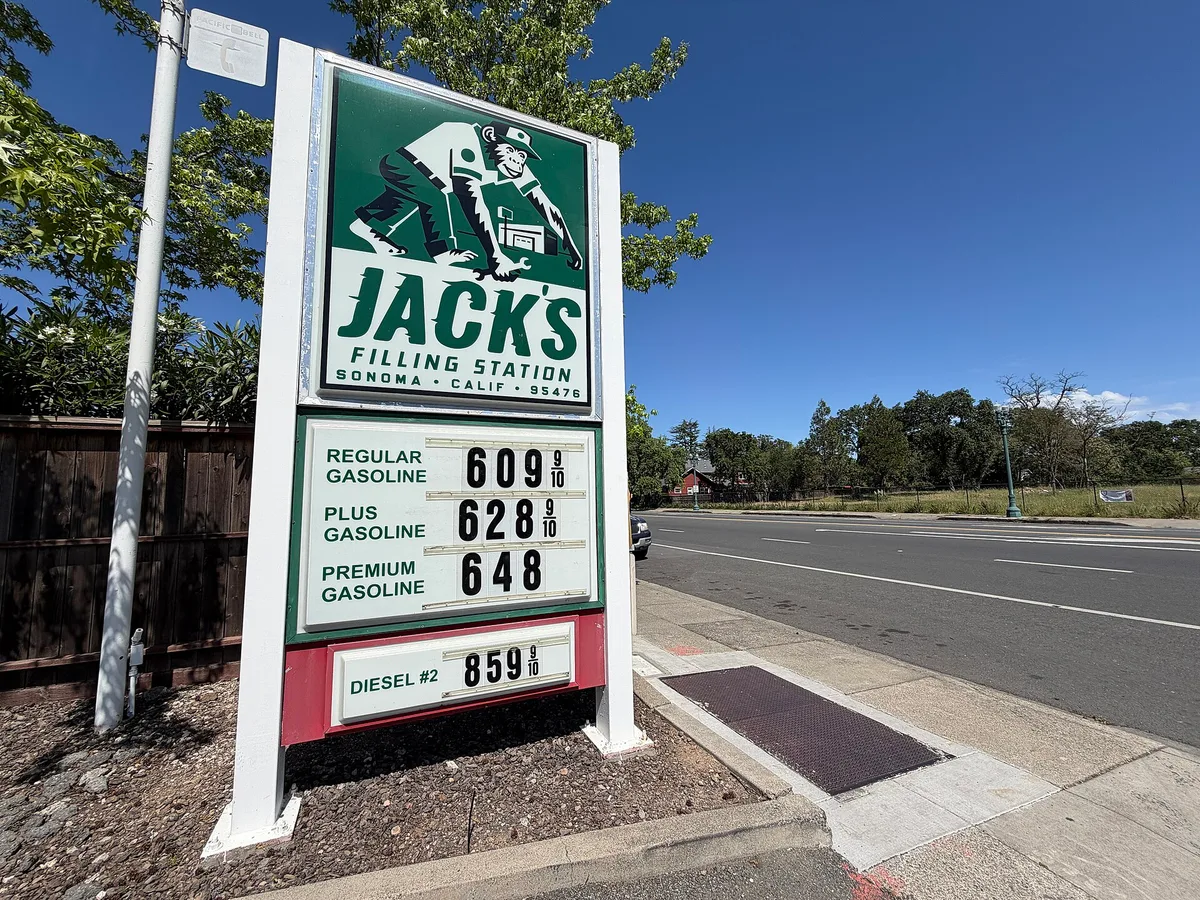
Gas costs more in California than in almost any other state, and drivers feel it every week. The gap is not a single fee. It is a stack of taxes, climate program costs, and market factors that sit on top of the national baseline. Here is what actually builds the difference, using figures from the state's own energy agency.
The size of the gap moves with the oil market. In July 2026, the average retail price of gasoline in California was $5.31 per gallon, according to the California Energy Commission. Prices change month to month. The structural reasons behind the premium do not.
Taxes Take the Biggest Visible Slice
Every state taxes gasoline, but the amounts differ widely. The federal excise tax has been 18.4 cents per gallon since 1993, according to Wikipedia. California stacks far more on top. The Energy Commission puts the state excise tax at 61.2 cents per gallon as of its current data. The state also charges a 2.0 cent per gallon underground storage tank fee, according to the agency. An average sales tax rate of 2.25 percent is used in the agency's price math as well.
So a California driver pays several times more in fuel taxes than a driver in a low-tax state, before any climate rule enters the math. The money has a purpose. The Energy Commission says the state gas tax pays for highway maintenance, local road repairs, and transit. As the federal tax has lost value to inflation over time, state and local taxes have helped fill the gap in transportation funding. Readers following this should also see CARB Advances Climate Disclosure Rule for Large Companies.
Climate Programs Add Their Own Costs
California charges polluters for carbon, and those charges pass through to the pump. In January 2026, the Low Carbon Fuel Standard added about 17 cents per gallon, according to the Energy Commission. The state's cap-and-trade program added about 25 cents per gallon in the same estimate. The agency describes both as pass-through costs tied to programs run by the California Air Resources Board.
These programs are policy choices, not hidden fees. The Energy Commission notes some of these costs are unique to California programs. They support community clean air efforts and climate resilience goals. They also make each gallon cost more than it would in states without them.
Refining and Delivery Cost More Here
The market side pushes prices up too. Crude oil is priced on the global market, so California cannot escape world prices, the Energy Commission notes. What differs is the margin above the cost of crude. The agency states that California margins tend to run higher than the national average due to operations costs and transportation needs. Fewer supply routes into the state add to that problem.
How Drivers Can Read the Price
The breakdown rests on real reports. Refiners disclose their costs to the state under the California Oil Refinery Cost Disclosure Act, according to the Energy Commission. The agency builds its wholesale price from a weighted average of the sales channels that refiners report. It then splits the retail price into crude cost, refinery costs and profits, distribution, taxes, and environmental program fees.
That breakdown tells you which piece moved. When crude jumps, every state feels it. When only California's price jumps, the cause is usually taxes, programs, or in-state margins. Figures in this article come from public agency estimates and change over time. We covered a connected angle in CEQA, Explained: The Law That Shapes Almost Every California Building Project.
Conclusion
California's gasoline premium is built in layers. A high state excise tax sits on top of a federal tax that has not moved since 1993. Climate programs added more than 40 cents per gallon combined in the state's January 2026 estimate. Refining and transport margins add more on top. The state publishes the math, and the premium persists because California pays for its roads, air, and climate goals largely at the pump.