Governor Gavin Newsom signed a batch of legislation on July 16, 2026 that included components of the Safe Drinking Water, Wildfire Prevention, Drought Preparedness, and Clean Air Bond Act, per the Governor's Office, July 16, 2026, the administrative step that converts a voter-approved bond into money agencies can actually spend.
Bonds pass with fanfare and then stall in implementation, which is why the mid-summer signings matter. California voters approved the climate bond, drafted as Proposition 4, in November 2024 at $10 billion, and appropriations statutes determine how each tranche is allocated across state departments, which then run the grant rounds and construction programs.
What the bond funds
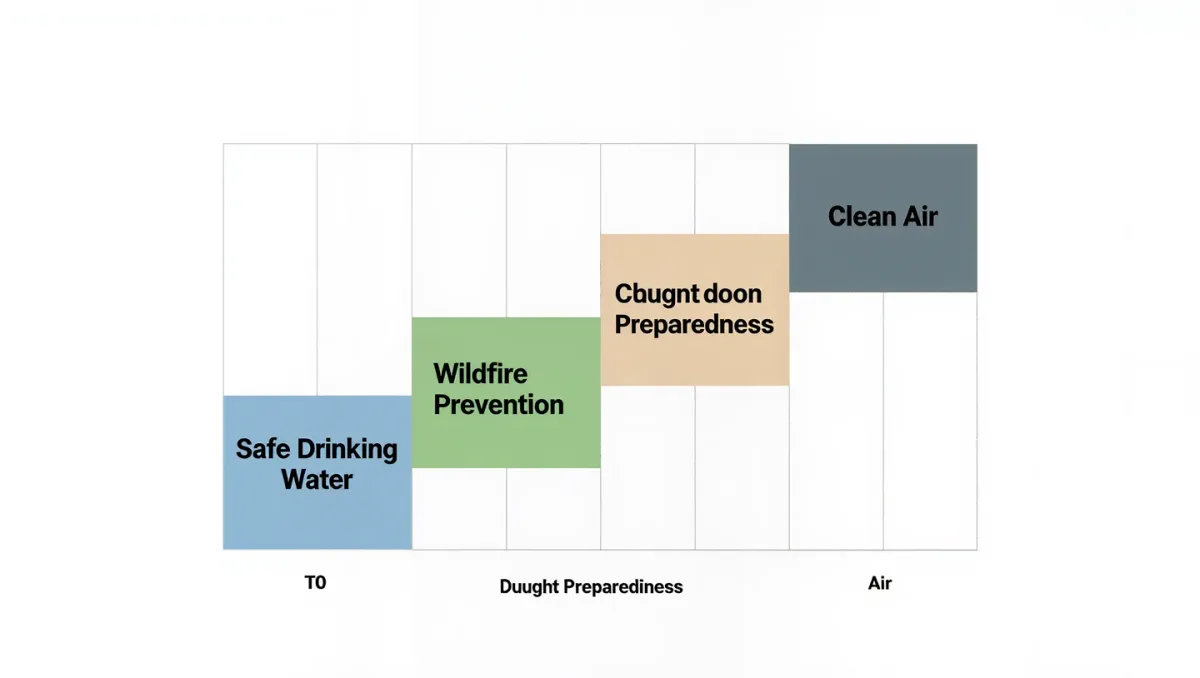
The bond spreads its authorizations across four headings in its title. Safe drinking water money goes to drinking water infrastructure, particularly small systems in the San Joaquin Valley and tribal communities with long-standing contamination problems. Wildfire prevention funds forest health, fuels treatment, and home-hardening programs.
Drought preparedness covers storage, recycling, and groundwater recharge projects, while clean air appropriations target air district programs and zero-emission equipment in the corridors where pollution burdens run highest, from the Inland Empire to the Central Valley.
Why implementation takes years
A bond authorizes borrowing, not projects. After the appropriations statutes pass, agencies must write guidelines, solicit applications, award grants, and only then break ground. Water storage projects approved under earlier bonds took a decade between authorization and operation, though grant programs for fuels treatment and drinking water repairs move much faster.
The July signing batch landed amid a busy summer legislative calendar. Newsom signed other bills through late July and into August, and the Legislature sent the 2026-27 budget to his desk in late June after negotiations that delayed some proposed cuts.
How to track the spending
State agencies publish accountability websites listing bond allocations, and the Department of Finance reports debt service. For a reader wondering where the money lands, the useful documents are the individual agency grant guidelines and their award lists, which name every recipient.
What to watch
The first grant rounds funded by the newly signed appropriations, particularly for wildfire resilience, where the 2026 fire season is already testing the need.