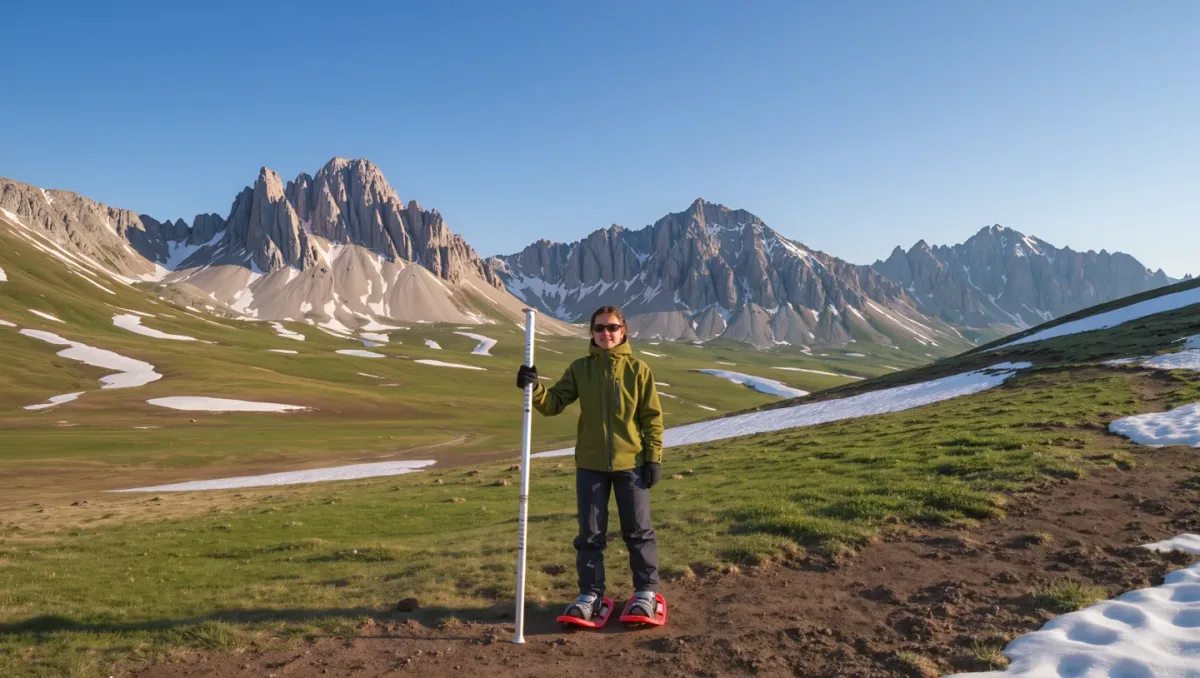
Phillips Station, the Sierra meadow where California has measured winter's legacy since 1941, held no measurable snow when Department of Water Resources surveyors conducted the April 1 reading, and statewide snowpack stood at just 18 percent of average, per DWR, April 1, 2026.
The number is the second-lowest April 1 snowpack on record, behind only 2015, and it confirms what water managers feared when March temperatures ran far above normal: a snow drought that melted the pack weeks early and sent some moisture straight into the atmosphere through sublimation.
How did a normal winter disappear?
The 2026 water year started promisingly. A series of atmospheric rivers in late December and early January built a near-normal snowpack across the Sierra, and February readings were respectable. Then March turned hot and dry across the range. DWR had already flagged early runoff in a March blog post noting high temperatures were moving snowmelt into rivers weeks ahead of schedule. california news coverage.
The April 1 survey at Phillips Station found a snow depth so shallow that officials recorded no measurable snow water equivalent at the course. Across 110 stations statewide, the average snow water equivalent measured 4.9 inches, per the April 1 news release.
What it means for water supplies
California's water year does not end in crisis the way it once would have, because the state's reservoirs enter spring relatively full after the wet start. Federal and state project operators will lean on stored water rather than snowmelt through summer, and agricultural districts with junior rights face the tightest allocations.
The deeper concern is groundwater. Basins in the San Joaquin Valley that planned to recharge aquifers under the Sustainable Groundwater Management Act will get less surface water to spread, and growers who would have relied on snowmelt will pump instead.
Why April 1 matters
The date approximates the historical peak of the Sierra snowpack, which historically supplied roughly a third of California's water as it melted through spring and early summer. A single storm in April cannot rebuild the record; the survey is the state's best snapshot of how much natural storage the summer will get.
What to watch
Reservoir release schedules and the first state water project allocation adjustments as runoff forecasts are revised downward. Both will show how utilities ration the shortfall between now and October.