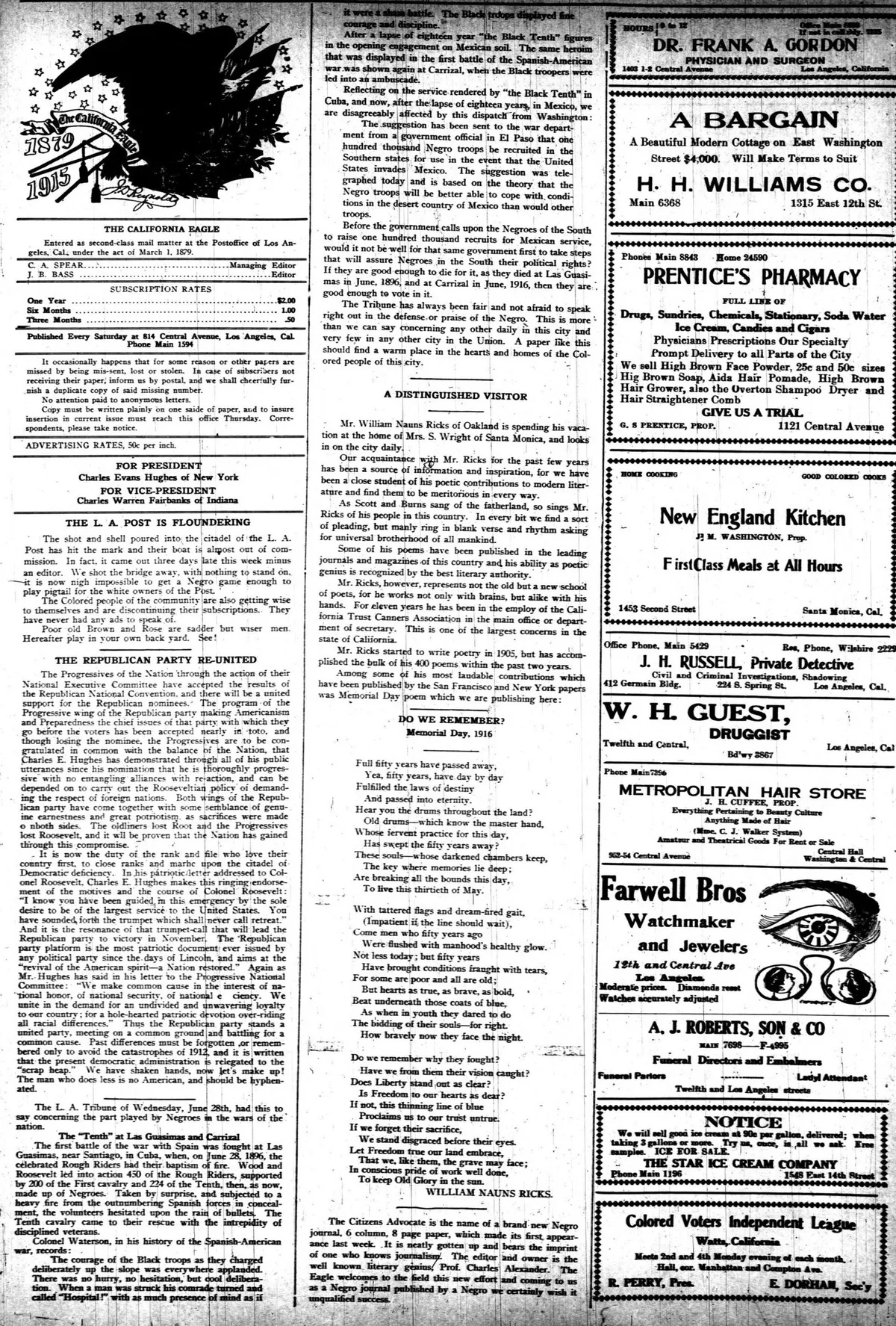
California's old newspapers survive through two rescue trades, microfilm and digitization, and both are rooted in the state. UC Riverside runs the California Digital Newspaper Collection. It holds more than six million digitized pages, drawn from over 50 million articles, and the search is free. Older reels exist because paper itself does not last.
Preservation is a relay. A national program copied brittle papers onto film for decades. A newer one scans those pages into public databases. Local history rides along in both formats, from gold camp weeklies to valley dailies. For related coverage, see BART Riders Are Paying 6.2 Percent More This January.
Why Did the Original Papers Need Saving?
Newsprint is the weak point. Since the middle of the 19th century, most American papers were printed on cheap, high-acid paper that decays fast, which is why archivists call a newspaper the vanishing first draft of history. The United States Newspaper Program took on the job in 1982. The National Endowment for the Humanities paid for it, and the Library of Congress gave technical help. The program set out to locate, catalog, and preserve newspapers on microfilm. By 2004, the effort had raised $51.1 million in federal money and $19.3 million from the states. The cash bought film, readers, and catalog records, not buildings.
What Did Microfilm Preserve in California?
Each state ran its own project through its largest newspaper repository, drawing film from public libraries, courthouses, newspaper offices, museums, and historical societies. Microfilm solved survival but not access. A reader who wanted a 1910 front page had to travel, request a reel, and scroll by hand. The pages existed; finding one took days. That gap between saved and searchable is what digitization later closed.
How Did the Pages Get Online?
The National Digital Newspaper Program, founded in 2005 by the Library of Congress and the National Endowment for the Humanities, took over the relay. Its public database, Chronicling America, launched in March 2007. Anyone can search its digitized pages by keyword, state, language, and time period. Local partners scan roughly 100,000 pages for each two-year grant. California joined through UC Riverside. The campus center received three grants between 2005 and 2011 and contributed around 300,000 pages to Chronicling America. It added 100,000 more between 2015 and 2017, many from the Gold Rush era and the state's foreign-language press. This connects to our earlier piece, How to Follow Local News Live in California Without Paying for Cable.
What Can You Search Without Paying?
The state's own reading room is the California Digital Newspaper Collection, online since 2007 and free. Its runs include the San Francisco Call, the Los Angeles Daily Herald, the Amador Ledger, and the Imperial Valley Press. If you are hunting a relative, a fire, or a baseball box score, start with a surname and a county, then narrow by decade. The same search works on Chronicling America for papers across the country. Spelling was loose in old papers, so try two or three variants before you give up. A name that never matches in print often matches on the page.
What Threatens the Archives Now?
Money, not moths. The digital collection went offline in September 2025 amid funding trouble. It returned by December. In January 2026, the project restored its suspended federal digitization work. The microfilm program it grew from finished its main run years ago, so the film in library drawers now has no successor for titles that stop being scanned. A paper that misses the film boat and the scan boat can still vanish.
Conclusion: The First Draft Keeps Its Witnesses
Preserved newspapers turn a town's memory into evidence, not anecdote. A genealogist finds a shipping notice, a student finds an editorial on a long-fought water bond, and a city clerk checks exactly what the council said in 1923. Six million California pages now answer in seconds what once took a road trip. The people who lived it printed it; the archives keep their words within reach.