More than two months into the new year, the batch of California laws that took effect January 1, 2026 has moved from news release to everyday reality: pharmacy counters, school offices, and city planning departments are all applying rules that did not exist in 2025, per the Governor's Office, December 31, 2025.
Governor Gavin Newsom signed several hundred bills from the 2025 legislative session, and a large share carried a January 1 start date. Some measures phase in more slowly, which is why a rule passed in October 2025 can still be unfamiliar in February. This article explains new legal requirements, not legal advice.
Which laws touch the most people?
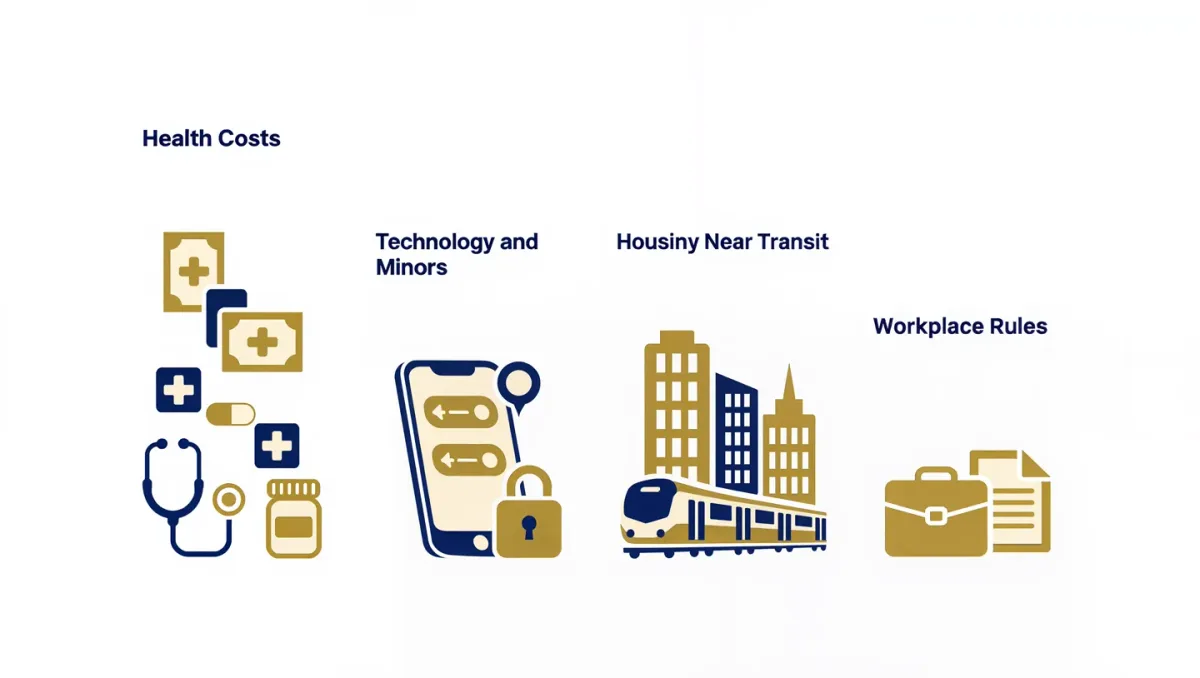
Health costs lead the list. A copay cap limits what patients pay for insulin, a response to prices that for years ran hundreds of dollars per vial. Workplace rules also changed, including higher minimum wages for incarcerated workers who fight fires and perform other state work.
Technology rules aimed at minors took effect as well, covering social media design features and artificial intelligence outputs that platforms direct at young users. Enforcement mechanics vary by bill, with some penalties flowing through the Attorney General's office and others through civil suits.
What changed for housing near transit?
Several measures push cities to approve denser housing within a half mile of major transit stops, narrowing the environmental review and zoning arguments local governments can use to block projects. Planning directors statewide spent January updating checklists, and developers filed early applications in Los Angeles, San Jose, and Sacramento.
The practical effect lands slowly. A project filed under the new rules in January 2026 will likely open its waitlist years from now, but the pipeline numbers will show up in city housing reports over the next two cycles.
Why do laws cluster on January 1?
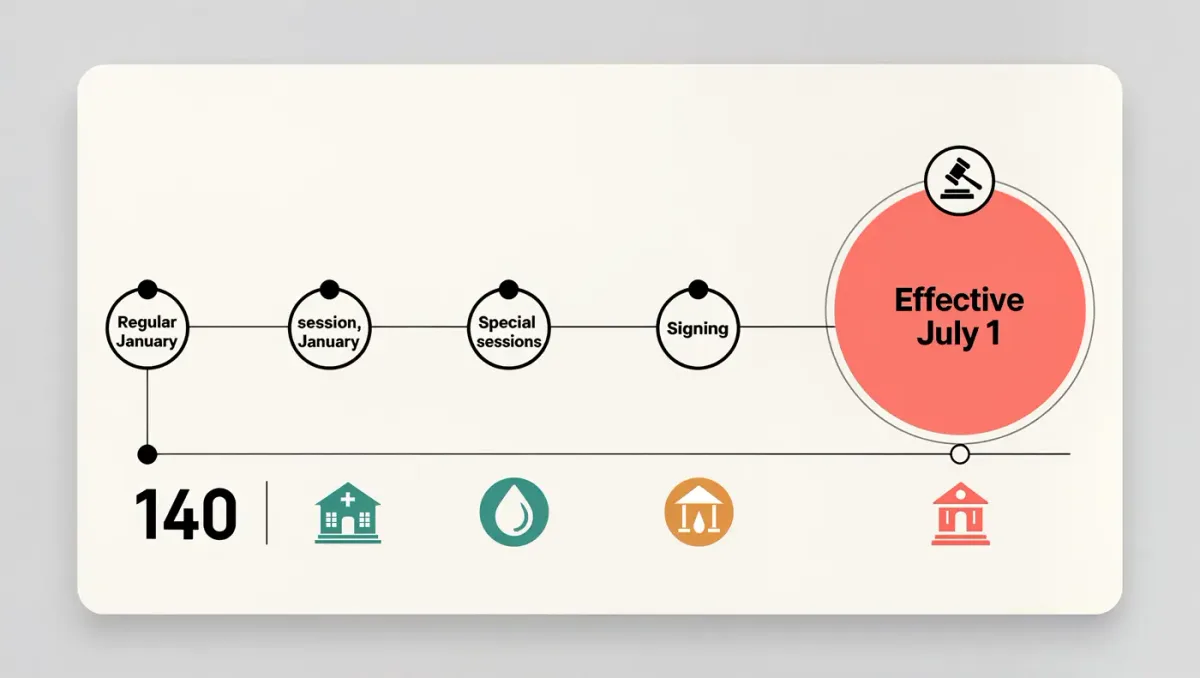
The Legislature's calendar drives the pileup. Most bills pass in September, when the two-year session ends, and the uniform start date of January 1 gives agencies, courts, and businesses a predictable compliance season. Urgency measures take effect immediately, but they require a two-thirds vote and are reserved for matters the Legislature deems pressing.
What to watch
Enforcement. Watch for the first Attorney General actions under the minors' technology rules and for city housing department updates explaining how the transit-oriented approvals work in practice.